

Aluminum is a product manufactured from aluminum and other alloying elements. It is usually processed into castings, forgings, and foils, plates, strips, tubes, bars, profiles, etc., and then made by cold bending, sawing, drilling, assembling, coloring, and other processes. The main metal element is aluminum, in addition to some alloying elements to improve the performance of aluminum.
Classified according to the use of aluminum:
Architectural aluminum profiles, industrial aluminum profiles, radiator aluminum profiles, framing aluminum profiles, rail aluminum.
Classification according to surface treatment:
Anodized aluminum profiles, electrophoretic coating aluminum profiles, wood grain transfer aluminum profiles, powder coating aluminum profiles, polished aluminum profiles.
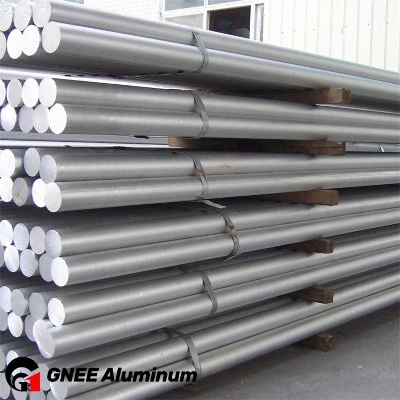
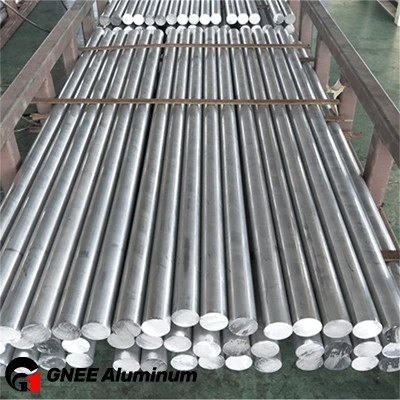
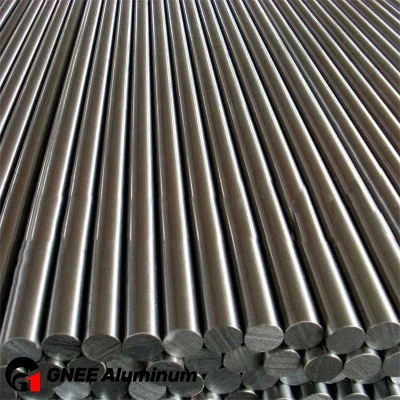
Advantages
Corrosion resistance:
Aluminum profiles have a density of roughly 2.8g/cm3, which can be described as only one-third the density of steel, copper or brass. Under most environmental conditions, including in air, water, petrochemical and many chemical systems, aluminum can show excellent corrosion resistance.
Electrical Conductivity:
Aluminum extrusions are often chosen because of their excellent electrical conductivity. Aluminum has nearly twice the electrical conductivity of copper for the same weight.
3. Thermal conductivity
The thermal conductivity of aluminum alloy is about 50-60% of that of copper, which is advantageous in the manufacture of heat exchangers, evaporators, heating appliances, cooking utensils, as well as cylinder heads and radiators for automobiles.
4. Non-ferromagnetic
Aluminum profiles are non-ferromagnetic, an important characteristic for the electrical and electronic industries.
5. Machinability
The machinability of aluminum profiles is very good and is superior to that of many equivalent industrial building materials.
6. Formability
The specific tensile strength, ductility and corresponding work-hardening rate govern the variation of the allowable deformation.
7. Recyclability
Aluminum has very high recyclability. It saves energy and is environmentally friendly.
Therefore, aluminum alloys are widely used for building frames, doors, windows, ceilings, decorative surfaces, etc. because of their good corrosion resistance, sufficient strength, excellent industrial properties and welding properties.