

Aluminum alloys are widely used in the development of body parts in the form of vacuum die-casting, profile extrusion, and plate stamping. Based on the current application status of aluminum alloys in the steel-aluminum hybrid body of a domestic new energy vehicle, this article briefly describes the technical advantages and design requirements of three common aluminum alloy manufacturing processes in body development.

Vacuum die casting is an advanced die-casting process that removes gas from the die-casting mold cavity to eliminate or reduce defects such as air entrainment and pores in the die-casting parts, and significantly improves the mechanical properties and surface quality of the die-casting parts. Vacuum die casting is a high-near net shape process with the advantages of less pores, good surface quality, high elongation, and high production efficiency.
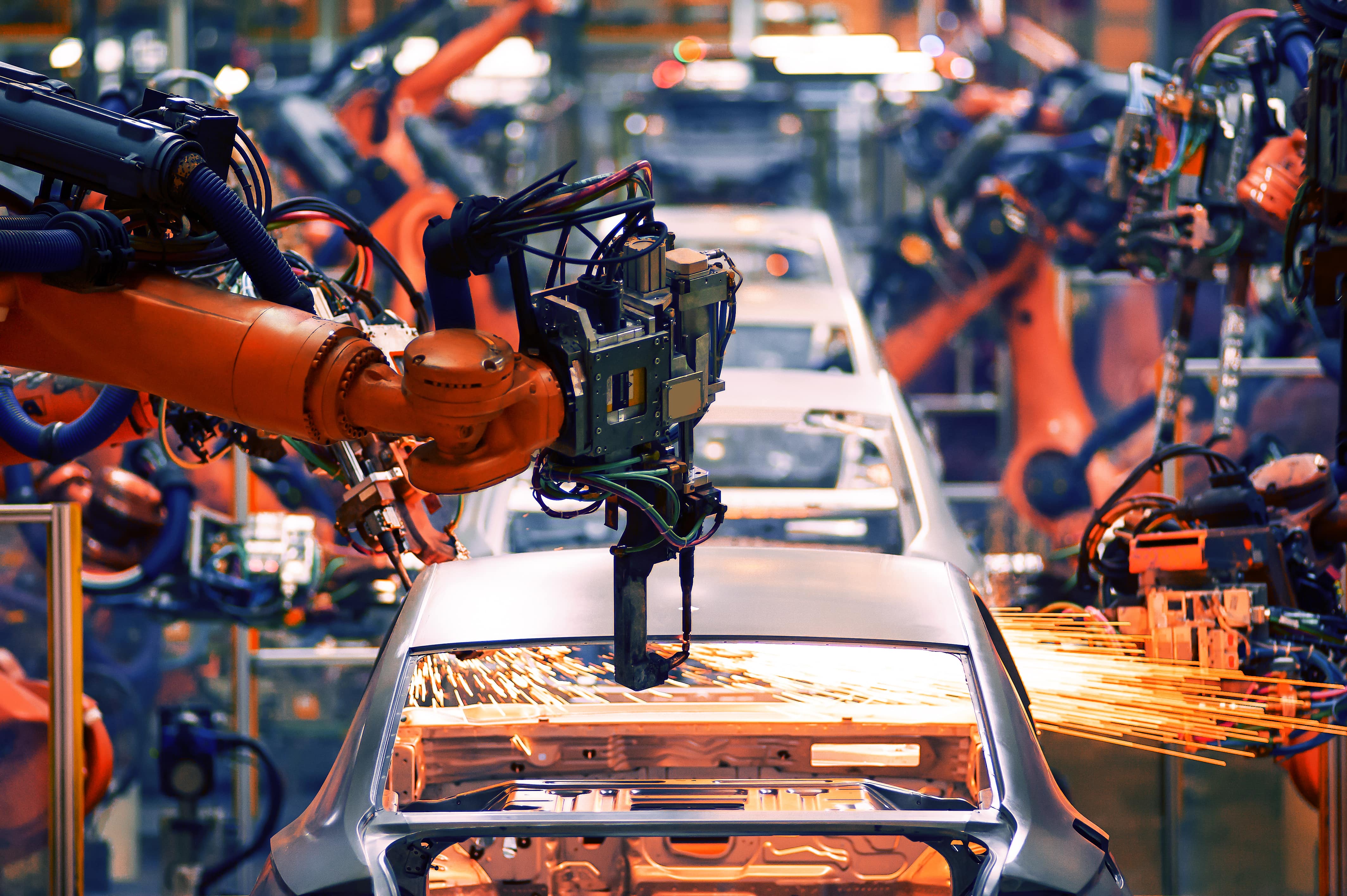
It is suitable for the production of high-strength, high-toughness, complex thin-walled structural parts, mainly used in complex structures and key joints.