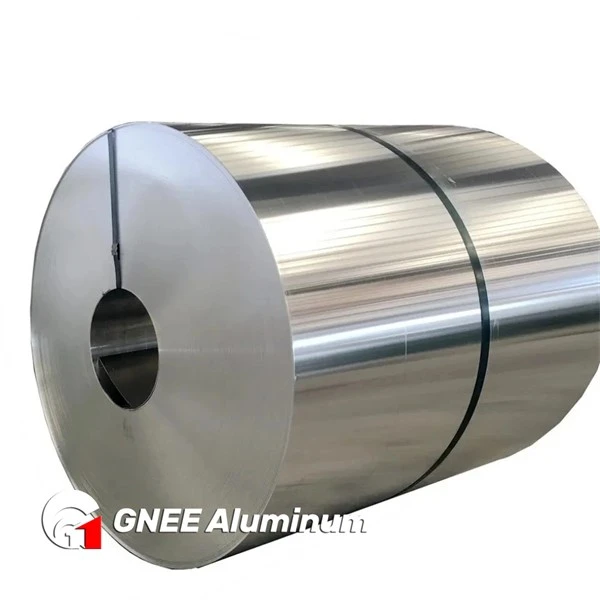
Making aluminum foil is similar to making pasta at home. A large block of nearly pure aluminum is rolled several times through giant steel rollers, reducing the thickness of the block and spreading it out to make it longer. Lubricant is added during the rolling process to facilitate operation. On each successive pass through the roll, the thickness continues to thin. Repeat this process until you reach foil thickness, then cut the large foil to the desired width.
This may seem simple, but the actual process may not be easy. For example, when aluminum is pushed out, it heats up. If the temperature is too high, it will stick to the rollers, so the pressure on the rollers must be carefully controlled.
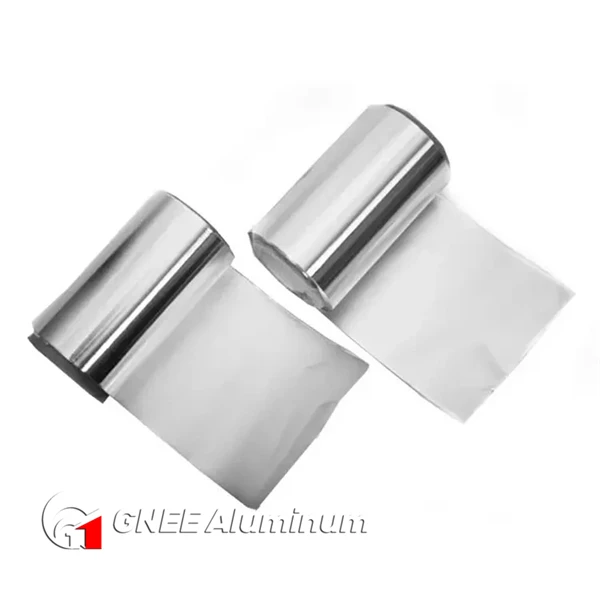
When the thickness of the aluminum plate is 5mm, it must be rolled again in the cold rolling stage. First, the sheet is rolled onto a roll and then sent to a cold rolling mill for final rolling. It is at this point that the light and dark sides of aluminum are created. Because today's aluminum is so thin, the tension required to transport the aluminum through chilled rollers can easily cause the aluminum to break. Since the aluminum sheet has two sides, the aluminum side in contact with the steel roller becomes smoother and glossier, and the aluminum side in contact with itself becomes matte.
Tin foil and aluminum foil?
Tinfoil is no longer made from tin as it is more expensive and less durable than aluminum. However, the term tinfoil is used in many areas to refer to aluminum foil. Therefore, the information on this page applies to aluminum foil and tin foil, as both terms now refer to the same product.