

Machining Processes:
1. Casting
Process characteristics: 2017 aluminum alloy can be shaped by casting process, but casting should pay attention to the fluidity and solidification characteristics of the alloy.
Casting methods: commonly used methods include sand casting, pressure casting and precision casting. Precision casting can obtain higher dimensional accuracy and surface finish.
2. Forging
Process characteristics: forging can improve the mechanical properties of aluminum alloy, through the deformation process to improve the organization uniformity and strength of the material.
Temperature range: The forging temperature is usually between 400-500°C (degrees Celsius). Excessively high or low temperatures can affect material properties and processing results.
Types: Open forging or closed die forging can be used, and the appropriate method is selected according to the requirements of specific parts.
3. Extrusion
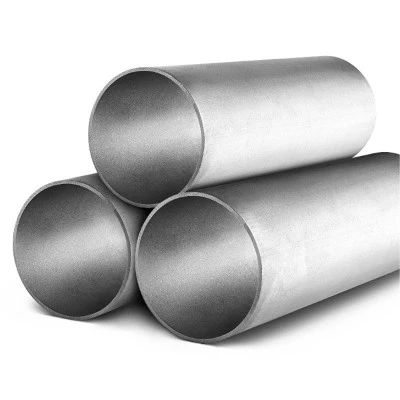
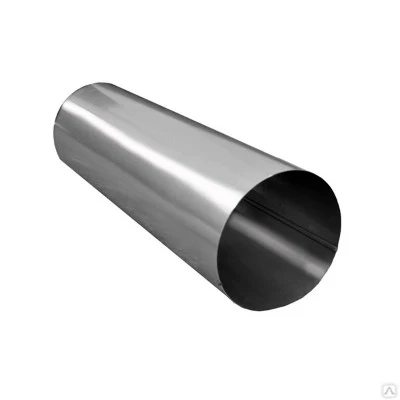
Process Characteristics: Extrusion process is suitable for producing long profiles, such as tubes, bars and profiles, capable of realizing complex cross-sectional shapes.
Extrusion temperature: Extrusion temperature is usually between 400-500°C, which helps to obtain good finished product quality and dimensional accuracy.
Applications: Widely used in the manufacture of various engineering structural components and profiles, such as building profiles and mechanical parts.
4. Machining
Machining characteristics: 2017 aluminum alloy has high hardness, machining requires the use of high-quality tools and reasonable cutting parameters to avoid tool wear and machining difficulties.
Cutting tools: use carbide tools or coated tools to reduce tool wear and improve machining efficiency.
Cutting speed and feed: it is usually necessary to reduce cutting speed and feed to minimize heat and machining stress.

5. Heat treatment
Solution treatment: Solution treatment temperatures usually range from 500-540°C, with holding times adjusted to the thickness and specifications of the part.
Quenching: Water quenching or oil quenching is usually used, and the cooling rate needs to be selected according to the size and requirements of the specific part.
Aging: aging temperature is usually between 150-200°C for 6-12 hours to enhance the strength and hardness of the aluminum alloy.
6. Surface treatment
Anodizing: Improve the corrosion and abrasion resistance of aluminum alloys through anodizing treatment, as well as improve the surface finish and appearance.
Spraying: Use spraying technology, such as powder spraying or liquid spraying, to increase the protective layer on the surface and improve the corrosion resistance and aesthetics.
Mechanical polishing: improves surface finish and luster for applications requiring high quality appearance.
7. Welding
Welding Difficulty: due to the high copper content of 2017 aluminum alloy, the welding performance is poor, requiring special welding techniques and pretreatment.
Welding method: TIG welding (tungsten electrode argon arc welding) or MIG welding (melting electrode argon arc welding) can be used, and the heat input and welding environment need to be controlled during welding to avoid welding defects.