

Aluminum tubes are widely used across industries such as construction, transportation, marine engineering, and industrial manufacturing. Among the many available alloys, 5052 and 6061 aluminum tubes are the two most commonly selected materials due to their balanced performance and availability.
However, buyers often face confusion when choosing between them. While both belong to the aluminum family, they differ significantly in strength, corrosion resistance, processing performance, and application focus.
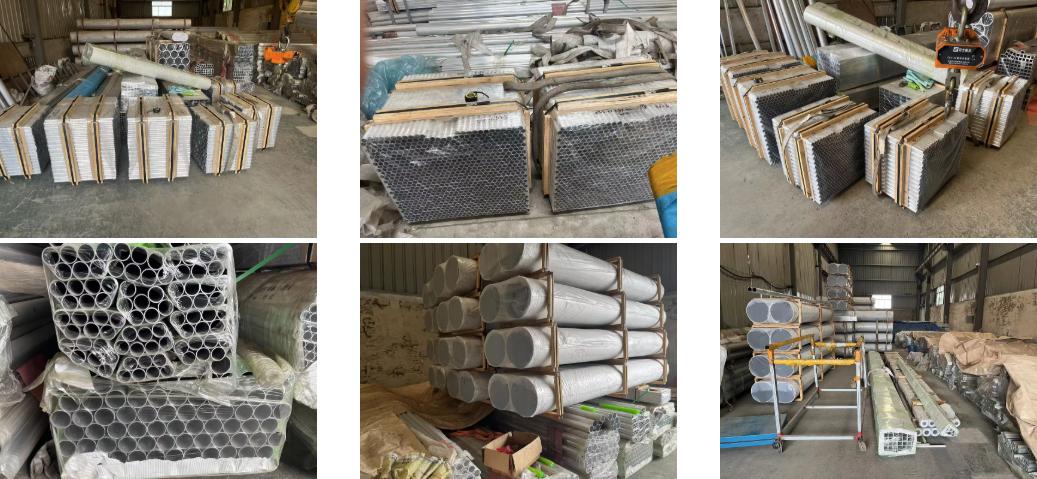
Overview of 5052 Aluminum Tube
5052 aluminum is a non-heat-treatable Al-Mg alloy known for its excellent corrosion resistance and good formability. It performs particularly well in marine and chemical environments.
5052 O Aluminum tubing
Temper:O,H111,H112,H32
Standard: AMS4071,AMS-WW-T-700/4,ASTM B210
Key characteristics:
- High resistance to seawater and industrial corrosion
- Excellent welding performance
- Good bending and forming capability
- Moderate strength
The 5052 aluminum tube is often considered a general-purpose corrosion-resistant material.
Overview of 6061 Aluminum Tube
6061 aluminum is a heat-treatable Al-Mg-Si alloy that offers high strength and good machinability. It is one of the most widely used structural aluminum alloys.
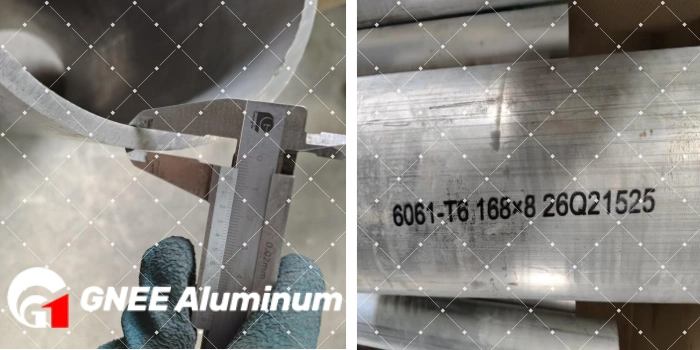
6061 T6 T6511 Aluminum tube
Temper:O, T4, T6, T451, T651
Standard:ASTM B221, ASTM B241, AMS-QQ-A-200/8
Key characteristics:
- High strength after heat treatment (6061 T6)
- Good mechanical performance
- Excellent machinability
- Acceptable corrosion resistance
6061 aluminum tube is widely used where strength and structural integrity are required.
Chemical Composition Comparison
The difference in alloying elements directly determines performance.
| Element | 5052 | 6061 |
|---|---|---|
| Magnesium (Mg) | 2.2–2.8% | 0.8–1.2% |
| Silicon (Si) | ≤0.25% | 0.4–0.8% |
| Chromium (Cr) | 0.15–0.35% | 0.04–0.35% |
Analysis:
5052 relies on higher magnesium content for corrosion resistance
6061 combines magnesium and silicon to enable heat treatment strengthening
Mechanical Properties Comparison
| Property | 5052-H32 | 6061-T6 |
|---|---|---|
| Tensile Strength | 210–260 MPa | 260–310 MPa |
| Yield Strength | ≥130 MPa | ≥240 MPa |
| Elongation | 10–20% | 8–12% |
Conclusion:
- 6061 offers significantly higher strength
- 5052 provides better ductility and formability
- 5052 is ideal for bending, stamping, and forming
- 6061 is better suited for machining and precision parts
- 5052 aluminum tube has superior corrosion resistance, especially in saltwater and chemically aggressive environments.
Application Differences of 5052 and 6061 Aluminum Tubes
5052 aluminum tube is mainly used in:
- Marine engineering
- Chemical processing systems
- Fuel and oil transportation
- Low-pressure fluid systems
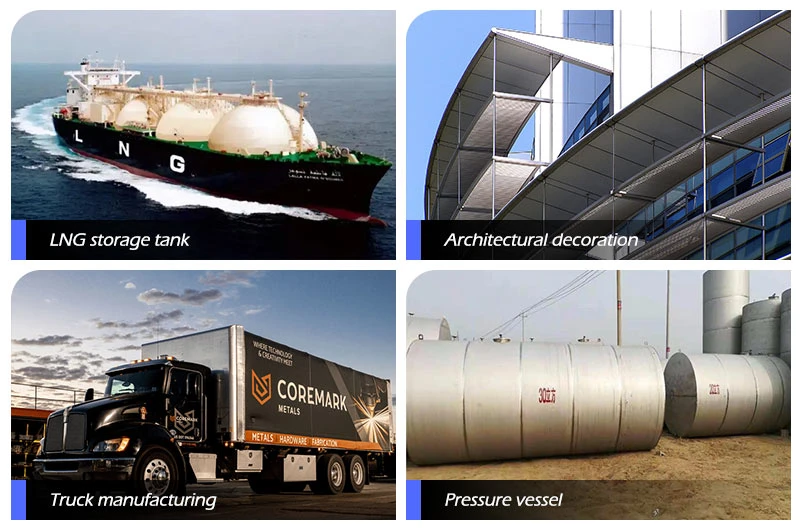
6061 aluminum tube is mainly used in:
- Structural frameworks
- Mechanical and load-bearing components
- Automotive and aerospace applications
- High-strength support systems

Core difference:
5052 focuses on corrosion resistance and forming
6061 focuses on strength and structural performance
Quality Inspection
To ensure product reliability, aluminum tubes are tested through:
- Chemical composition analysis
- Mechanical property testing
- Dimensional inspection
- Surface quality inspection
- Non-destructive testing
Additional testing can include salt spray testing and ultrasonic inspection depending on application requirements.

Packaging and Delivery
Packaging methods:
- Wooden pallets for export
- Moisture-proof wrapping
- Protective end caps
Delivery capability:
- Lead time: 7 to 30 days
- Custom cutting supported
- Mixed-size orders accepted

Why Choose GNEE as Your Supplier
Advantages include:
- Flexible order quantities with multiple sizes and specifications
- Complete technical data sheets for comparison and selection
- Fast quotation within 24 hours
- Support for international export with stable quality
Customers can receive tailored material recommendations based on their application needs.
How to Choose Between 5052 and 6061
Selection depends on your project requirements:
- Choose 5052 if corrosion resistance is the priority
- Choose 6061 if high strength is required
- Choose 5052 for bending and forming applications
- Choose 6061 for machining and structural use