

Neither 6061 nor 6063 aluminum is inherently "better"; the choice depends on the specific requirements of the application. 6061 is preferable for projects that require higher strength, while 6063 is ideal for applications emphasizing aesthetics and architectural features, where a smooth surface finish and excellent corrosion resistance are important.
6061 Aluminum Is Preferred For:
High-Strength Applications: 6061 offers higher tensile and fatigue strength, making it suitable for structural and load-bearing components.
Structural Frames: Commonly used in structural frameworks, aircraft parts, and other components requiring robust mechanical properties.
Machining: Offers good machinability, comparable to 6063 in many cases.
General-Purpose Uses: Its balanced combination of strength and workability makes it versatile for a wide range of applications.
6063 Aluminum Is Preferred For:
Architectural Applications: Excellent extrudability and smooth surface finish make it ideal for window frames, door trim, curtain walls, and other visually focused components.
Aesthetics: Easier to anodize, producing a uniform, high-gloss finish suitable for decorative purposes.
Corrosion Resistance: Generally more resistant to corrosion than 6061.
Bending: Easier to bend, making it advantageous for furniture, railings, and other curved or shaped elements.
How to Choose:
If the project must withstand significant stress, select 6061.
If appearance and finish are more critical than strength, choose 6063.
For projects involving complex extruded shapes with a smooth, polished look, 6063 is the better option.
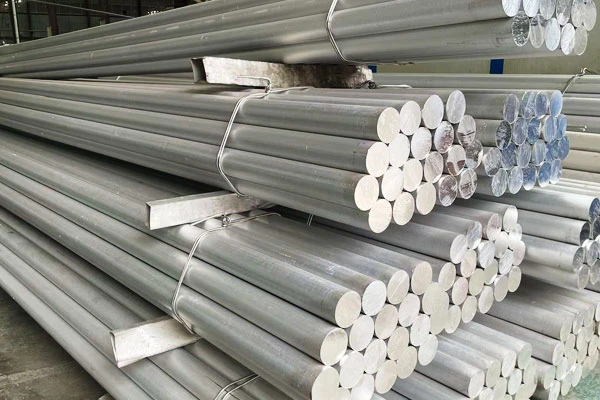
Differences in Practice: Applications of 6061 vs. 6063 Aluminum
As mentioned, 6063 aluminum is generally better suited for architectural applications and situations where corrosion resistance is a priority. In contrast, 6061 aluminum is more commonly used in structural and load-bearing applications.
However, these general guidelines can vary depending on specific conditions. For example, 6063 has been used in bridge construction, while 6061 is widely applied in aerospace components.
Let's explore the typical use cases for these alloys.
6063 Alloy: Typical Applications
When aluminum components are intended to be visually prominent or exposed to outdoor environments, 6063 is the preferred choice. Its corrosion resistance and attractive finish make it ideal for these purposes. Thanks to its excellent extrudability, 6063 is available in a wide variety of shapes and configurations.
Common applications include:
T-slot Quad Tracks: Perfect for framing and structures exposed to the elements.
T-Tracks: Suitable for adjustable work surfaces, such as table saw setups.
Z-Clips: Used for panel construction, including outdoor signage and partition walls.
Round Tubes: Ideal for piping applications, including irrigation or other externally exposed fluid systems.
Because of 6063's extrudability, it can accommodate intricate shapes and fine details, including sharp angles and complex track profiles.
6061 Alloy: Typical Applications
6061 aluminum is ideal when products must support significant weight or require reliable, structurally sound components. Its extrusions are commonly used in applications that demand strong support, such as:
Round Rods
Square Bars
Angle Sections
Note that angle extrusions made from 6061 often have rounded interior corners. This enhances structural support but can make seamless constructions slightly more challenging.
6061 vs. 6063 Aluminum: How to Choose
In general, 6063 is chosen for aesthetics and architectural purposes, while 6061 is preferred for structural applications.
However, exceptions exist. For instance, if a structural component will be exposed to high saltwater or moisture, 6063 might be more suitable due to its superior corrosion resistance and anodizing capabilities. Conversely, in aerospace applications, 6061 is favored for its higher strength and ability to withstand greater forces.
When in doubt, consulting a materials expert can help determine the most suitable alloy for your specific project requirements.
