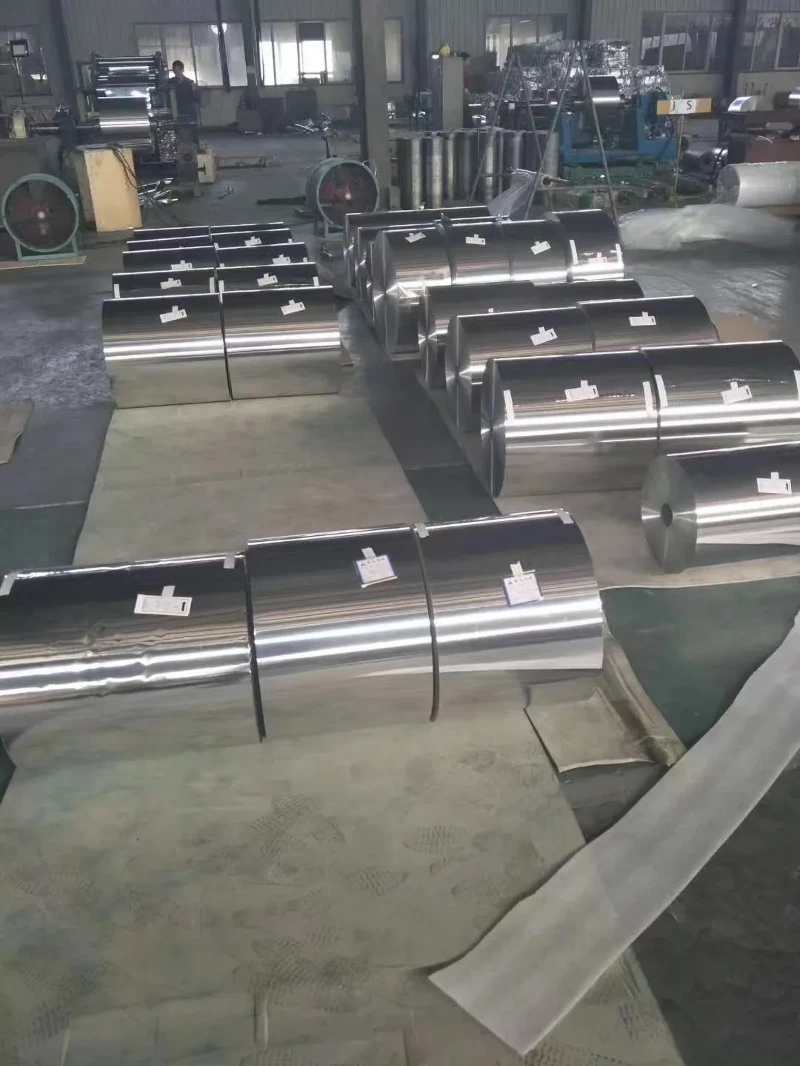
In modern packaging, almost all composite materials that require opacity and high barrier properties use aluminum foil as the barrier layer. This is because aluminum foil has a highly dense metal crystal structure and has good barrier properties against any gas. Aluminum foil is widely used as a composite substrate in the fields of packaging and building materials.
Aluminum foil usually refers to aluminum materials with a purity of more than 99.5% and a thickness of less than 0.2 mm. The thickness of aluminum foil used for composite materials will be thinner.

Aluminum foil has high barrier properties and has high barrier properties against sunlight, high temperature, moisture, oxygen, microorganisms, etc. Blocking these factors can extend the shelf life of the contents.
In practical applications, it is rarely used alone because aluminum foil itself has some shortcomings. For example, as aluminum foil is further thinned, the number of pores will increase, which will affect its barrier properties.
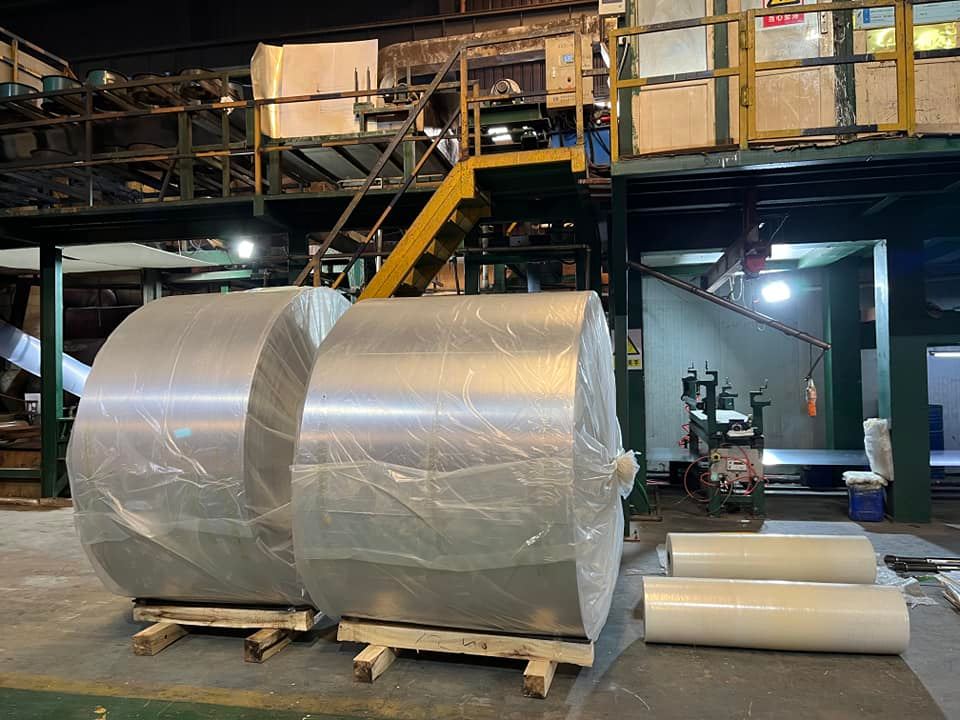
At the same time, thin and flexible aluminum foil has limitations in terms of resistance to stretch and shear. Fortunately, it has good secondary processing properties. Aluminum foil can usually be combined with other materials to make up for the shortcomings of aluminum foil, thereby improving the overall performance of the composite material.
As far as the functions of food packaging are concerned, the core function is protection. Food goes through a complex process from production to consumption, so it may be affected by biological, chemical, physical and other external factors in the environment.