What is 5052 O Aluminum Plate

Nov 17, 2025

Leave a message


5052 and 6061 aluminum sheets are both utilized in shipbuilding. What are the differences? Their variances are significant, due primarily to differences in chemical composition and casting technique.

The 5052 O aluminum plate is an Al-Mg alloy aluminum plate. Magnesium is the primary alloying element. It possesses excellent strength, particularly anti-fatigue strength, ductility, and corrosion resistance. It possesses high plasticity when hardened in a semi-cold state and low plasticity when hardened in cold conditions. Additionally, it has a good anodizing action.


Shipbuilding uses both 5052 and 6061 aluminum sheets. What is the difference? Their variations are extensive, owing mostly to differences in chemical composition and casting process.

The 5052 O aluminum plate is made of an alloy of aluminum and magnesium. Magnesium is the main alloying element. It has high strength, especially anti-fatigue strength, ductility, and corrosion resistance. It has great plasticity when hardened in a semi-cold state and low plasticity when hardened in a cold environment. It also performs well as an anodizer.


5052 aluminum plate is a popular brand for 5-series aluminum magnesium alloy, which is classified into o and H states. 5052 aluminum plate is widely used in o state, H12, H18, H24, H32, H34, and other states. The term "5052-o aluminum plate" refers to the product after annealing. Compared to other states, this type of aluminum plate has soft hardness, easy tensile oxidation, high plasticity, and corrosion resistance, and cannot be strengthened through heat treatment. It possesses strong flexibility during semi-cold work hardening, low plasticity during cold work hardening, and excellent weldability.


What are the applications of 5052-o aluminum sheet?
5052-o aluminum plate is commonly used in traffic vehicles, mechanical stamping parts, car models, automobile accessories, and other applications. It offers good corrosion resistance, processing, and welding performance.
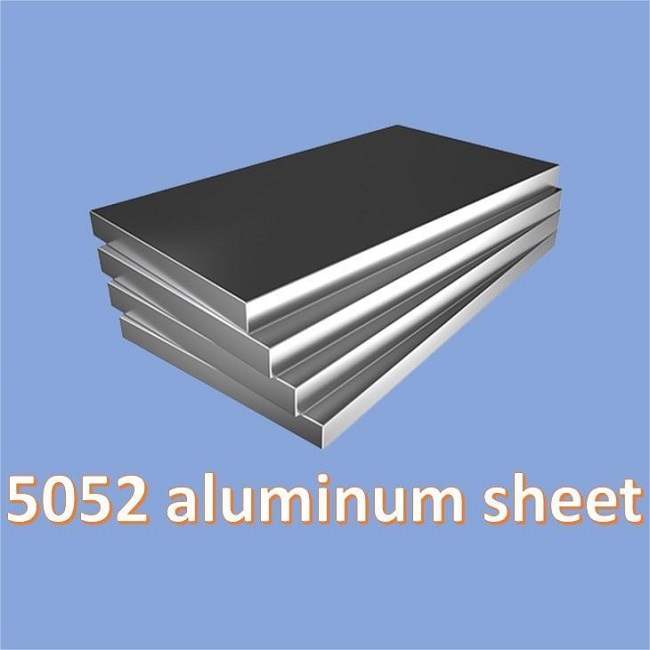
Processing Performance of 5052-O Aluminum Sheet  As a typical aluminum-magnesium alloy, 5052 aluminum sheet is widely used in shipbuilding, machinery, electronics, chemical industries, construction materials, and decorative applications due to its excellent mechanical properties and processing versatility.  Effect of Annealing on 5052 Aluminum Sheet  Annealing is a common heat treatment method in metal processing. Its main purpose is to adjust the internal structure and properties of the material through controlled heating and cooling, thereby meeting specific processing requirements. For 5052 aluminum sheet, annealing can significantly reduce hardness, improve plasticity and toughness, and enhance overall processing performance.  In the annealed state, the hardness of 5052 aluminum sheet is markedly reduced, making it easier to deform and less prone to cracking or breaking during cold stamping, bending, or other forming processes. Additionally, annealing relieves internal residual stresses, improving dimensional stability and processing accuracy.  Processing Performance of 5052 Aluminum Sheet in the Annealed State  1. Stamping Performance The annealed 5052 aluminum sheet demonstrates excellent stamping capabilities. Reduced hardness allows the material to undergo plastic deformation more easily, enabling the production of complex, high-precision parts. Annealing also enhances wrinkle resistance and springback resistance, ensuring the quality of stamped components is stable and reliable.  2. Bending Performance In the annealed state, 5052 aluminum sheet exhibits superior bending performance. Its lower hardness and improved plasticity reduce the risk of cracking during bending, while maintaining accurate bends and stable shapes. This makes it a preferred material for manufacturing intricate bent components.  3. Welding Performance The annealed 5052 aluminum sheet also performs well in welding. Its good weldability allows connection using various welding methods, producing joints with high strength and retained plasticity.  While annealed 5052 aluminum sheet offers excellent processing performance-including stamping, bending, and welding-it has relatively limited cutting performance. Appropriate measures should be taken during processing to ensure quality and efficiency. Moreover, although annealing improves workability, it can affect mechanical properties and corrosion resistance. Therefore, in practical applications, it is important to consider these factors comprehensively and select the material according to specific project requirements.  As a reliable Chinese supplier, GNEE provides high-quality 5052-O aluminum sheets with excellent processing performance, ensuring consistent results across industrial and decorative applications.

Processing Performance of 5052-O Aluminum Sheet

As a typical aluminum-magnesium alloy, 5052 aluminum sheet is widely used in shipbuilding, machinery, electronics, chemical industries, construction materials, and decorative applications due to its excellent mechanical properties and processing versatility.


Effect of Annealing on 5052 Aluminum Sheet

Annealing is a common heat treatment method in metal processing. Its main purpose is to adjust the internal structure and properties of the material through controlled heating and cooling, thereby meeting specific processing requirements. For 5052 aluminum sheet, annealing can significantly reduce hardness, improve plasticity and toughness, and enhance overall processing performance.

In the annealed state, the hardness of 5052 aluminum sheet is markedly reduced, making it easier to deform and less prone to cracking or breaking during cold stamping, bending, or other forming processes. Additionally, annealing relieves internal residual stresses, improving dimensional stability and processing accuracy.


Processing Performance of 5052 Aluminum Sheet in the Annealed State

1. Stamping Performance


The annealed 5052 aluminum sheet demonstrates excellent stamping capabilities. Reduced hardness allows the material to undergo plastic deformation more easily, enabling the production of complex, high-precision parts. Annealing also enhances wrinkle resistance and springback resistance, ensuring the quality of stamped components is stable and reliable.


2. Bending Performance
In the annealed state, 5052 aluminum sheet exhibits superior bending performance. Its lower hardness and improved plasticity reduce the risk of cracking during bending, while maintaining accurate bends and stable shapes. This makes it a preferred material for manufacturing intricate bent components.


3. Welding Performance
The annealed 5052 aluminum sheet also performs well in welding. Its good weldability allows connection using various welding methods, producing joints with high strength and retained plasticity.

While annealed 5052 aluminum sheet offers excellent processing performance-including stamping, bending, and welding-it has relatively limited cutting performance. Appropriate measures should be taken during processing to ensure quality and efficiency. Moreover, although annealing improves workability, it can affect mechanical properties and corrosion resistance. Therefore, in practical applications, it is important to consider these factors comprehensively and select the material according to specific project requirements.
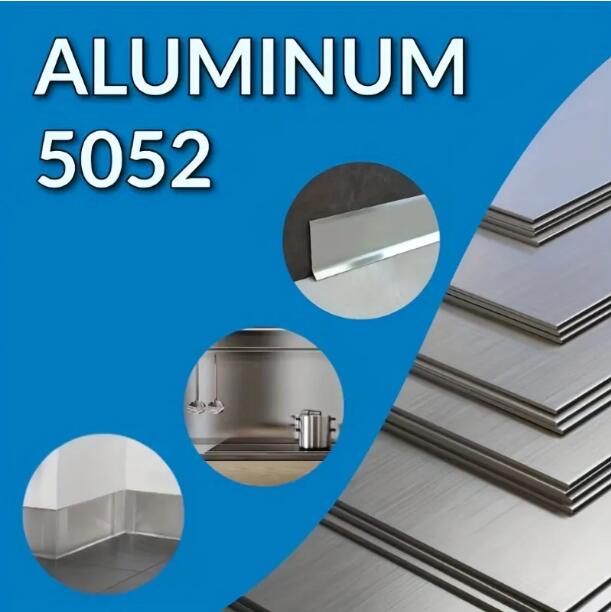
5052-O Aluminum Sheet  As a typical aluminum-magnesium alloy, 5052 aluminum sheet is widely used in shipbuilding, machinery, electronics, chemical industries, construction materials, and decorative applications due to its excellent mechanical properties and processing versatility.  Effect of Annealing on 5052 Aluminum Sheet  Annealing is a common heat treatment method in metal processing. Its main purpose is to adjust the internal structure and properties of the material through controlled heating and cooling, thereby meeting specific processing requirements. For 5052 aluminum sheet, annealing can significantly reduce hardness, improve plasticity and toughness, and enhance overall processing performance.  In the annealed state, the hardness of 5052 aluminum sheet is markedly reduced, making it easier to deform and less prone to cracking or breaking during cold stamping, bending, or other forming processes. Additionally, annealing relieves internal residual stresses, improving dimensional stability and processing accuracy.  Processing Performance of 5052 Aluminum Sheet in the Annealed State  1. Stamping Performance The annealed 5052 aluminum sheet demonstrates excellent stamping capabilities. Reduced hardness allows the material to undergo plastic deformation more easily, enabling the production of complex, high-precision parts. Annealing also enhances wrinkle resistance and springback resistance, ensuring the quality of stamped components is stable and reliable.  2. Bending Performance In the annealed state, 5052 aluminum sheet exhibits superior bending performance. Its lower hardness and improved plasticity reduce the risk of cracking during bending, while maintaining accurate bends and stable shapes. This makes it a preferred material for manufacturing intricate bent components.  3. Welding Performance The annealed 5052 aluminum sheet also performs well in welding. Its good weldability allows connection using various welding methods, producing joints with high strength and retained plasticity.  While annealed 5052 aluminum sheet offers excellent processing performance-including stamping, bending, and welding-it has relatively limited cutting performance. Appropriate measures should be taken during processing to ensure quality and efficiency. Moreover, although annealing improves workability, it can affect mechanical properties and corrosion resistance. Therefore, in practical applications, it is important to consider these factors comprehensively and select the material according to specific project requirements.  As a reliable Chinese supplier, GNEE provides high-quality 5052-O aluminum sheets with excellent processing performance, ensuring consistent results across industrial and decorative applications.

As a reliable Chinese supplier, GNEE provides high-quality 5052-O aluminum sheets with excellent processing performance, ensuring consistent results across industrial and decorative applications.