

The differences between 1060 and 5052 aluminum plates are significant, especially in terms of alloy composition, performance, and processing.
Let's break it down:
1. Alloy Composition:
1060 Aluminum: This is a high-purity aluminum with about 99.60% aluminum content. It's considered pure aluminum, with only small amounts of other elements like iron and silicon.
5052 Aluminum: This is an aluminum-magnesium alloy, with aluminum content around 95% and magnesium content around 4%. The addition of magnesium increases the strength and improves corrosion resistance.
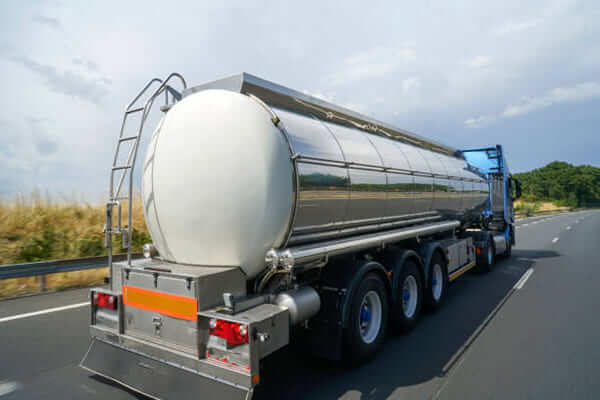
5052 aluminum plate for fuel tanks
2. Performance Differences:
Strength:
1060 Aluminum: Being a high-purity aluminum, it has lower strength compared to 5052. It's softer and isn't heat-treatable to enhance strength.
5052 Aluminum: Thanks to the magnesium content, 5052 offers higher tensile strength and can be cold-worked to increase strength further. It is stronger and more resistant to stress.
Corrosion Resistance:
1060 Aluminum: Has decent corrosion resistance but isn't as robust as 5052, especially in marine environments or when exposed to saltwater.
5052 Aluminum: Offers superior corrosion resistance, particularly in marine and coastal environments, making it ideal for boat hulls, tanks, and other equipment exposed to moisture.
Formability & Weldability:
1060 Aluminum: It is highly formable and can be bent or stamped easily. It's also weldable but might require careful handling to avoid cracking during welding.
5052 Aluminum: Known for excellent formability and weldability. It's ideal for applications requiring intricate shapes and strong welded joints.
3. Application Areas:
1060 Aluminum: Primarily used in applications that require high conductivity, like electrical equipment and wiring, and in household appliances or decorative trim.
5052 Aluminum: Used in a broader range of industries, including marine (boat hulls, decks), automotive (fuel tanks, body panels), aerospace, and even architectural cladding, due to its excellent strength and corrosion resistance.
4. Processing:
1060 Aluminum: The processing is relatively simple, as it's a pure aluminum alloy. It's commonly used for simpler applications and is cheaper compared to more complex alloys.
5052 Aluminum: Its manufacturing process is more complex, involving steps like casting, rolling, aging, and sometimes pre-stretching, depending on the required properties. This process makes it more expensive but ideal for high-strength and high-corrosion resistance applications.
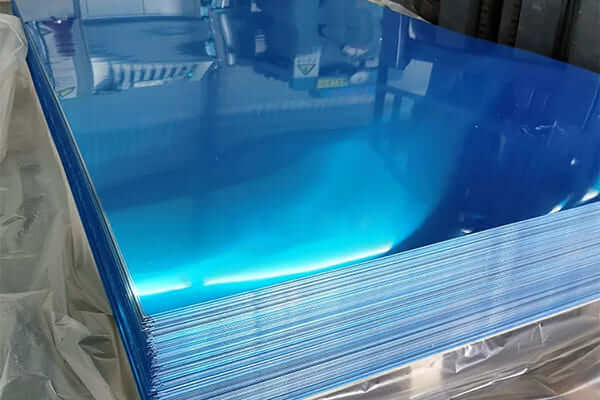
Differences between 1060 aluminum plate and 5052 aluminum plate
In summary, 5052 aluminum is stronger, more durable, and highly resistant to corrosion, making it ideal for harsh environments, while 1060 aluminum is softer, more malleable, and generally used in non-structural applications.