

7075-T6 Aircraft-Grade Aluminum
What Is 7075-T6 Aluminum?
7075-T6 aluminum is a high-performance aluminum alloy in which zinc is the primary alloying element, supplemented by magnesium, copper, and trace elements such as titanium. This carefully balanced composition gives the alloy its distinctive mechanical advantages.
The T6 temper indicates that the material has undergone solution heat treatment followed by artificial aging. This process promotes the formation of strengthened eta-phase precipitates within the alloy structure, significantly enhancing both tensile and yield strength. As a result, 7075-T6 aluminum can withstand substantial mechanical loads without permanent deformation. Known for its lightweight nature and exceptional strength, it is widely used in high-demand engineering applications, particularly in aerospace.
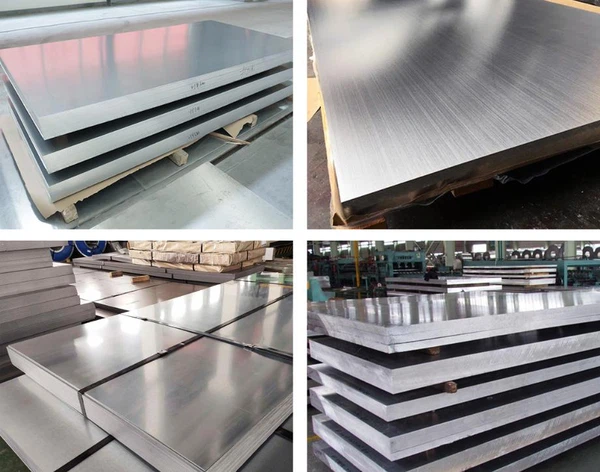
Characteristics of Forged 7075-T6 Aircraft Aluminum
When referring to forged 7075-T6 aluminum, the term describes a manufacturing process that further improves material performance. Forging applies controlled heat and pressure to the alloy, producing a denser structure with superior mechanical properties compared to cast aluminum.
This process refines the grain flow of the metal, increasing overall strength, fatigue resistance, and service life. The result is a premium-grade aluminum material well suited for critical structural components requiring consistent and reliable performance.
Chemical Composition
The outstanding properties of 7075-T6 aluminum stem from its optimized alloy composition:
Zinc is the primary strengthening element, providing high mechanical strength while maintaining adequate ductility-an essential requirement for aerospace fabrication.
Magnesium contributes to the alloy's excellent strength-to-weight ratio, enhancing overall performance without adding excess mass.
Copper, though present in smaller quantities, plays a vital role in increasing strength and improving heat-treatment response.
This precise combination of elements is what sets 7075-T6 aluminum apart from other aluminum alloys.
Physical Properties
One of the most notable features of 7075-T6 aluminum is its high ultimate tensile strength, enabling it to endure heavy loads without failure. This makes it ideal for load-bearing and stress-intensive components.
The alloy also exhibits good thermal conductivity, allowing efficient heat dissipation-an important advantage for aircraft components exposed to elevated temperatures during operation.
In addition, its low density is highly valued in aerospace engineering. Reducing overall aircraft weight leads to improved fuel efficiency, increased payload capacity, and enhanced flight performance.
Advantages of 7075-T6 Aluminum in Aerospace Applications
The aerospace industry relies heavily on 7075-T6 aluminum due to its ability to perform reliably under extreme operating conditions. Its combination of strength, durability, and low weight allows aircraft structures to withstand repeated stress while maintaining long-term safety and structural integrity.
Strength-to-Weight Ratio
A high strength-to-weight ratio is critical in aerospace design, and 7075-T6 aluminum excels in this area. Its high specific strength allows components to support significant loads while remaining lightweight. This makes it ideal for demanding aircraft structures such as wing spars and fuselage frames, which experience continuous mechanical stress during flight.
Lower structural weight also translates directly into improved fuel efficiency and overall aircraft performance, making 7075-T6 aluminum a preferred material for aerospace engineers.
Corrosion Resistance and Durability
Aircraft operate in harsh environments characterized by temperature fluctuations, moisture, and exposure to corrosive elements. 7075-T6 aluminum offers good corrosion resistance, allowing components to maintain their mechanical integrity over extended service periods.
The alloy also demonstrates strong resistance to stress corrosion cracking, a failure mode that can occur when metals are simultaneously exposed to stress and corrosive conditions. This reliability makes 7075-T6 aluminum especially suitable for critical aerospace parts where long-term durability is essential.
These properties contribute to extended service life, reduced maintenance requirements, and enhanced operational safety.
Applications of 7075-T6 Aluminum Forgings
7075-T6 aluminum forgings are widely used throughout the aerospace sector due to their ability to meet strict performance requirements. The alloy is commonly found in:
Aircraft structural components
Missile and aerospace defense parts
Valve bodies, meter shafts, and fuse components
Its high strength combined with lightweight characteristics enables improved load capacity and operational efficiency in advanced aerospace systems.
Applications in the Aircraft Industry
Within the aviation industry, forged 7075-T6 aluminum plays a key role in both structural and precision components. Its performance under high stress and demanding environmental conditions makes it indispensable for modern aircraft design and manufacturing.
Conclusion
Forged 7075-T6 aluminum offers an exceptional balance of strength, low weight, corrosion resistance, and durability, making it one of the most important materials in aerospace engineering. Its optimized chemical composition and superior physical properties ensure dependable performance under extreme conditions.
As a trusted aluminum materials supplier, GNEE provides high-quality 7075-T6 aluminum products designed to meet the stringent requirements of aerospace, defense, and high-performance engineering applications. This advanced alloy continues to support innovation, safety, and long-term reliability across the aerospace industry.
