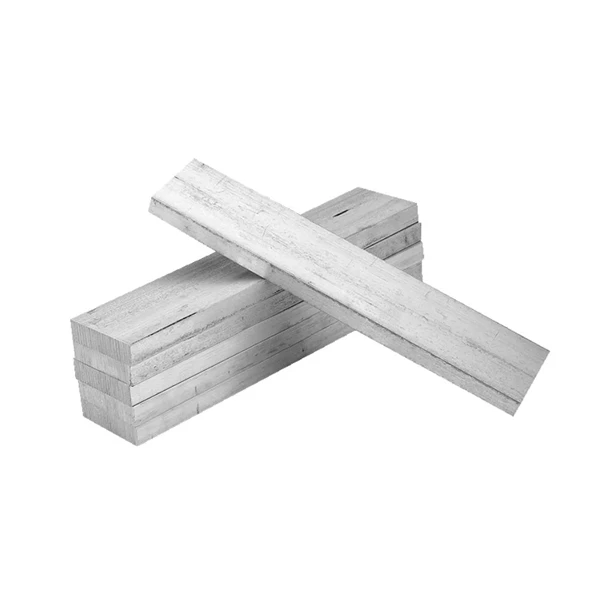
Non-ferrous metals in the narrow sense are also called non-ferrous metals, which are the collective name for all metals except iron, manganese and chromium; non-ferrous metals in the broad sense also include non-ferrous alloys (with a non-ferrous metal as the matrix (usually greater than 50%), adding one or alloys composed of several other elements).
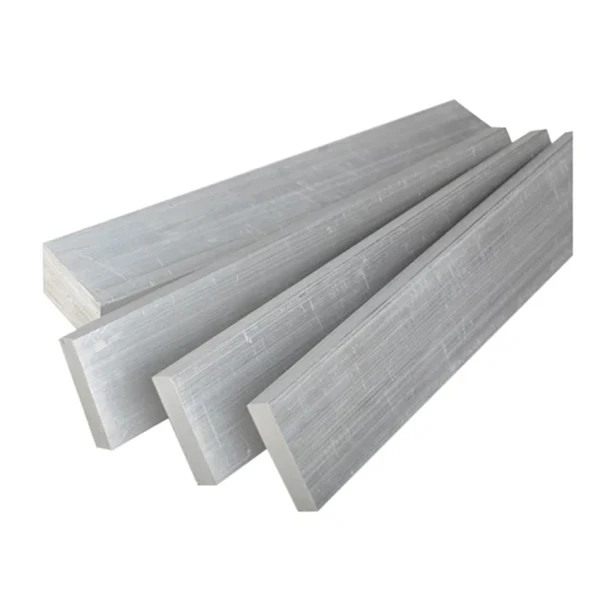
Metal rusts when it is oxidized by oxygen in the air. Aluminum reacts chemically with oxygen to form aluminum oxide, which is aluminum rust. Aluminum rust is very thin, its thickness is only one ten thousandth of a millimeter, but it is very hard and very wear-resistant. It adheres closely to the surface of the aluminum, preventing the aluminum inside from contacting the outside air and preventing the aluminum from continuing to rust.
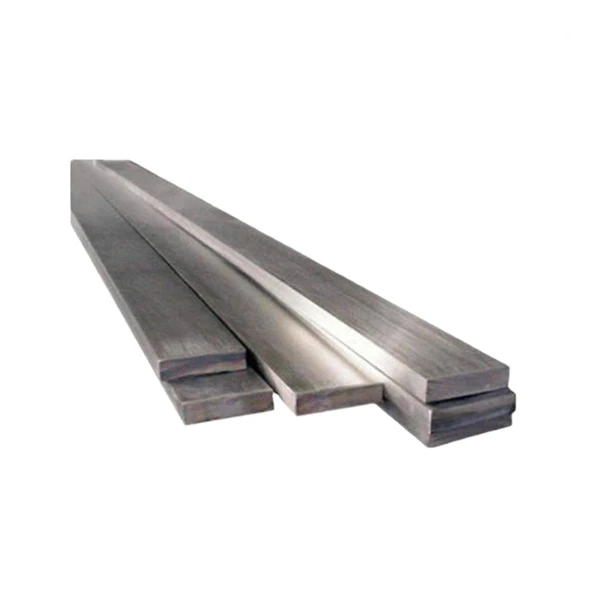
Aluminum materials for building decoration Aluminum alloys are widely used in building frames, doors and windows, suspended ceilings, decorative surfaces, etc. due to their good corrosion resistance, sufficient strength, excellent process performance and welding performance.