Aluminum's unique properties make it indispensable across sectors.
First, its low density (2.7 g/cm³)-one-third that of steel-enables lightweight solutions in aerospace (e.g., aircraft fuselages) and automotive industries (e.g., Tesla's aluminum-intensive chassis).
Second, its corrosion resistance stems from a self-forming oxide layer, ideal for marine applications like ship hulls or offshore rigs.
Third, high thermal and electrical conductivity (60% of copper's) make it cost-effective for power lines, heat sinks, and electronics.
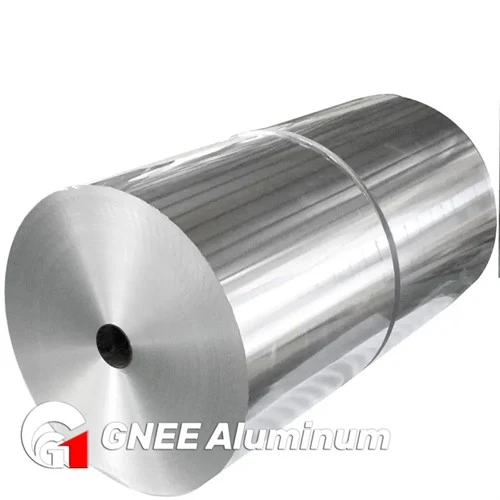
Fourth, aluminum's malleability allows it to be rolled into foil (0.006 mm thick) or extruded into complex shapes for construction (window frames) and packaging.
Fifth, its recyclability saves 95% of energy versus primary production, supporting circular economies. For instance, 75% of all aluminum ever produced remains in use today. Combined with non-toxicity (food cans) and reflectivity (solar mirrors), these traits ensure aluminum's dominance in sustainable technology and everyday life.