

The primary difference between 5086 aluminum and 6061 aluminum lies in their alloy composition and resulting properties. 5086 aluminum is a strain-hardened alloy, offering excellent ductility and corrosion resistance, which makes it ideal for marine applications that require bending and forming. In contrast, 6061 aluminum is a heat-treatable alloy, typically strengthened through the T6 temper, providing higher strength and rigidity, which is better suited for structural components that are extruded or machined. 6061 aluminum is harder and less flexible than 5086, making it more prone to cracking when bent.
| Feature | 5086 Aluminum | 6061 Aluminum |
|---|---|---|
| Alloying elements | Primarily Magnesium (Mg) | Magnesium (Mg) and Silicon (Si) |
| Strengthening method | Strain hardening (work hardening) | Heat treatment (T6 temper) |
| Mechanical properties | High ductility, good formability, moderate strength | Higher strength, more rigid, lower ductility |
| Corrosion resistance | Excellent, particularly in seawater | Good, but not as high as 5086 |
| Best for | Applications requiring flexibility and good weldability, such as boat hulls | Structural parts, extrusions, and machined components needing high strength and rigidity |
| Applications | Marine vessels, decks, pressure vessels | Structural components for aircraft, trucks, and buildings |
GNEE supplies both 5086 and 6061 aluminum, each tailored to different industrial needs, whether it's for marine environments or structural applications.
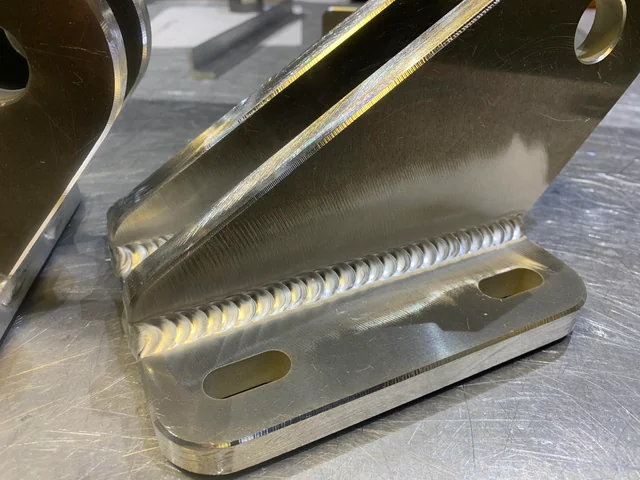
Corrosion-resistant 5086 aluminum belongs to the Al-Mg alloy series, with its magnesium content typically not exceeding 7%. As the magnesium content increases, the strength of the alloy also rises, while plasticity decreases. This alloy is commonly found in the annealed, cold-hardened, or semi-cold-hardened states. The magnesium content contributes to a higher density of 5086 aluminum compared to other aluminum alloys, offering excellent corrosion resistance, especially in seawater.
5086 aluminum sheet is typically available in the following tempers: O, H111, H112, H116, and H321. Its mechanical properties include a tensile strength of ≧240 MPa, a conditional yield strength of ≧95 MPa, and elongation of ≧10%. As a leading 5086 aluminum sheet supplier, GNEE provides a comprehensive range of specifications for various applications.
In terms of strength, 5086 aluminum offers higher performance than 5052 aluminum but is slightly lower in strength than 5083 aluminum. All three alloys (5086, 5083, and 5052) are recognized as marine-grade aluminum, and 5086 aluminum is highly resistant to corrosion in seawater, industrial atmospheres, petrochemical environments, and other harsh conditions. It is commonly used for ship sides, decks, tankers, pressure vessels, and transportation equipment.
6061 aluminum, part of the 6xxx series, is an alloy primarily composed of magnesium and silicon. It offers medium strength, excellent corrosion resistance, good weldability, and superior oxidation properties. It is widely used in the manufacturing of industrial structural parts that require a balance of strength and corrosion resistance, such as in the production of trucks, tower buildings, and ships.
The most common tempers of 6061 aluminum alloy are T6 and T651. The T6 temper tends to have higher internal stress, which can lead to deformation during processing, while the T651 temper is more suitable for processing, as it includes a stretching process that relieves internal stress.
6061 aluminum checker plate, commonly used for ship decks, has a hardness of about 95 HB in the T6 temper. However, it is not ideal for bending, as it tends to crack under stress. Care should be taken to avoid bending during processing.
When comparing 6061 and 6063 aluminum profiles, 6061 offers better strength and machinability, along with good oxidation resistance. However, 6063 has superior plasticity, enabling higher precision in manufacturing, and is known for higher tensile and yield strength, offering better fracture toughness.
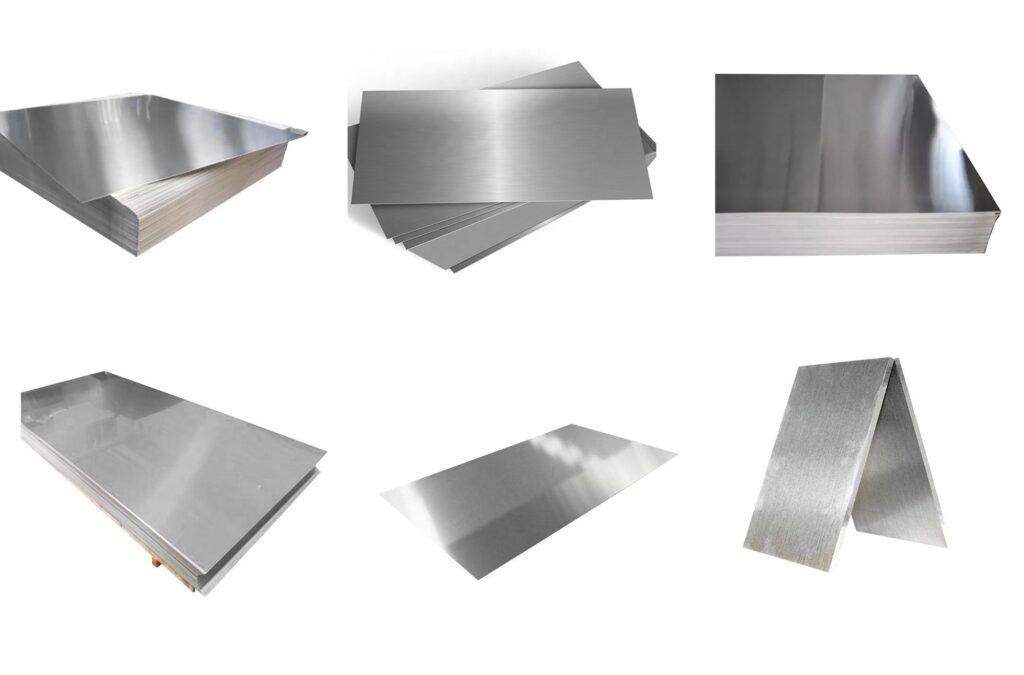
GNEE provides high-quality 5086, 6061, and other aluminum alloys suitable for various industrial and marine applications.