

The primary differences between 5086 and 5083 aluminum lie in their chemical composition, strength, and corrosion resistance. 5083 aluminum is a stronger, more corrosion-resistant alloy due to its higher magnesium content (4.0-4.9%), while 5086 aluminum has slightly less magnesium (3.5-4.5%) and more manganese, making it slightly more weldable and easier to form.
Comparison of 5083 and 5086 Aluminum:
| Feature | 5083 Aluminum | 5086 Aluminum |
|---|---|---|
| Magnesium Content | 4.0-4.9% | 3.5-4.5% |
| Manganese Content | 0.40-1.0% | 0.20-0.7% |
| Strength | Stronger | Slightly lower strength |
| Weldability | Good weldability | Slightly more weldable |
| Corrosion Resistance | Superior | High |
| Common Applications | Hull plates, pressure vessels, cryogenic tanks | Smaller ship components, marine equipment, pressure vessels, and transportation vehicles |
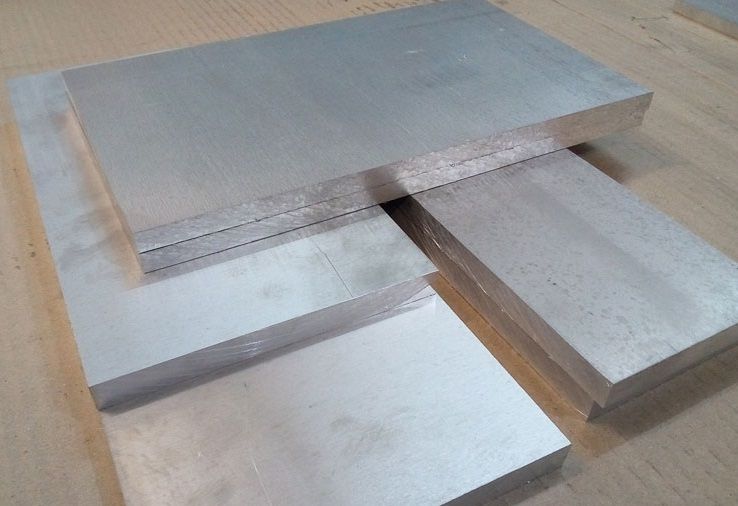
Key Takeaways:
Choose 5083 aluminum when you need the highest strength and superior corrosion resistance for critical structural applications.
Choose 5086 aluminum when you require a balance of good corrosion resistance, medium strength, and enhanced weldability, especially for parts that are welded or bent.
GNEE, a leading Chinese supplier, offers both 5083 and 5086 aluminum alloys, ideal for a wide range of applications, from marine environments to transportation and industrial uses.
Aluminum alloys are widely used in the marine industry to reduce the overall weight of ships, increase speed, and protect against seawater corrosion. Aluminum-magnesium alloys are particularly favored for ship hulls, water pump conduits, pump casings, machine base brackets, and similar applications. Common grades include 5083, 5086, 5456, and 5466, among others.
5083 Aluminum Alloy
The 5083 aluminum alloy has a small activation ring in seawater, which allows it to easily return to a passive state. Its breakdown potential and protection potential are higher than its self-corrosion potential in stable conditions, reflecting its excellent corrosion resistance in seawater. Pitting corrosion is the primary form of corrosion for 5083 aluminum alloys. The alloy's rust-proof, corrosion-resistant performance, along with its hardness, makes it well-suited for marine and other corrosive environments.
Comparison with 5082 Alloy
Compared to the common 5082 alloy in the same series, 5083 aluminum plate has a much higher magnesium content (nearly double that of 5052), which results in higher strength and better corrosion resistance. These qualities make it particularly suitable for ship hulls. However, its higher magnesium content can affect its anodizing performance.
Applications of 5083 Aluminum
In shipbuilding, 5083 ultra-wide aluminum plates in tempers such as H116, H321, and H112 are typically used for key parts of the ship, including the main deck, diesel engine pedestal, and outer sides of the ship. The 5083H111 and 5083H112 tempers are essentially identical in chemical composition.
5086 Aluminum Alloy
5086 aluminum sheet features low density, high tensile strength, excellent elongation, and outstanding corrosion resistance. It has medium strength, good weldability, and is widely used in applications that require high corrosion resistance and good weldability. 5086 is ideal for use in shipbuilding, automotive, and aerospace applications, making it a popular choice for marine aluminum plates.
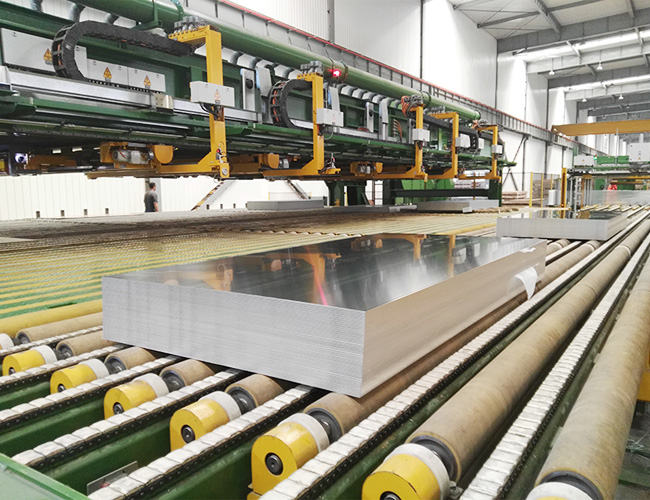
Additional Applications of 5086 Aluminum
5086 aluminum sheets with surface embossing treatments are highly favored for use in spiral staircases, ship decks, refrigerated truck walls, and floors on large ships. Its excellent corrosion resistance and embossed surface with patterns like diamond, 2-bar, 3-bar, and 5-bar offer enhanced anti-slip properties. Additionally, the embossed 5086 aluminum plate has excellent machinability, good electroplating and weldability, and medium strength.
GNEE, a leading Chinese supplier, provides premium 5083 and 5086 aluminum alloys, ideal for a wide range of marine and industrial applications, ensuring superior performance in demanding environments.