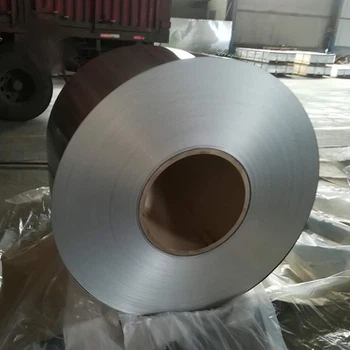
What Are Industrial Aluminum Foils Suitable for? Key Applications & Industry Uses
Industrial aluminum foils are far more than the thin sheets you use in your kitchen-they're a versatile, high-performance material tailored for heavy-duty, professional applications across countless industries. If you're a manufacturer, engineer, or procurement specialist sourcing materials for industrial operations, you're likely asking: What are industrial aluminum foils suitable for? Unlike consumer-grade foil (typically thin, lightweight, and focused on packaging), industrial aluminum foils are engineered for durability, conductivity, barrier protection, and heat resistance-making them ideal for demanding environments where reliability and performance matter most.
First, it's important to clarify what sets industrial aluminum foils apart: they're available in a wider thickness range (usually 10um to 500um, with 15-100um being the most commonly used for industrial purposes), made from high-purity aluminum alloys (such as 1235, 1145, 1060, and 8011 series), and often treated with coatings or laminations to enhance their properties. Their suitability spans multiple core industries, from manufacturing and construction to electronics and aerospace-each application leveraging their unique traits to solve practical industrial challenges. Below, we break down the key uses in detail, focusing on real-world applications that add value to your operations.
1. Industrial Insulation & Heat Management (The Most Common Application)
One of the primary uses of industrial aluminum foils is insulation and heat management-thanks to aluminum's excellent thermal conductivity and reflectivity. Industrial settings often require precise temperature control to protect equipment, improve energy efficiency, and ensure worker safety, and aluminum foil is perfectly suited for this role:
HVAC & Ductwork Insulation: Industrial aluminum foils (50-100um) are widely used as reflective insulation in HVAC systems, industrial ductwork, and ventilation pipelines. They're often laminated with paper, plastic, or fiberglass to create a moisture-resistant barrier that reflects heat away from sensitive components in summer and traps heat in winter. This not only improves energy efficiency (reducing heating and cooling costs) but also prevents condensation buildup that can damage ductwork or equipment.
Pipeline Insulation: For industrial pipelines (carrying oil, gas, water, or chemicals), 80-150um aluminum foil is used as an outer layer in insulation systems. It protects the underlying insulation material from moisture, corrosion, and physical damage, while its reflective properties reduce heat loss (for hot pipelines) or heat gain (for cold pipelines)-critical for maintaining fluid temperatures and ensuring efficient transport.
Industrial Equipment Insulation: Heavy-duty industrial equipment (furnaces, boilers, turbines, and smelters) generates extreme heat, and 100-200um aluminum foil is used to insulate these machines. It creates a heat shield that protects workers from burns, prevents damage to nearby equipment, and reduces energy loss-helping to lower operational costs and extend equipment lifespan.
Building & Construction Insulation: In commercial and industrial construction, 30-80um aluminum foil is used as part of cavity wall insulation, roof insulation, and underfloor insulation. It reflects radiant heat, improves the thermal efficiency of buildings, and acts as a vapor barrier to prevent mold and moisture damage-making it a cost-effective solution for large-scale construction projects.
2. Packaging for Industrial Materials & Components
Industrial aluminum foils are also widely used for packaging industrial materials, components, and finished products-leveraging their barrier properties to protect against moisture, air, corrosion, and contamination. Unlike consumer packaging, industrial packaging requires durability to withstand shipping, storage, and harsh industrial environments:
Metal & Alloy Component Packaging: 60-120um aluminum foil is used to wrap metal parts, components, and alloys (such as steel, copper, and aluminum parts) to prevent corrosion and oxidation during storage and shipping. Its airtight and moisture-resistant barrier keeps out humidity and oxygen, ensuring components remain in pristine condition until they're ready to use.
Chemical & Pharmaceutical Industrial Packaging: For industrial-grade chemicals, pharmaceuticals, and additives, 40-80um aluminum foil is used as a lining for drums, barrels, and containers. It's chemically inert (non-reactive with most substances) and creates a tamper-evident, leak-resistant seal that prevents spills, contamination, and degradation of the product-complying with strict industrial safety standards (e.g., FDA, EU GMP).
Electronic Component Packaging: Delicate electronic components (circuit boards, chips, sensors) require protection from static, moisture, and dust, and 20-50um aluminum foil is used in anti-static packaging. It dissipates static electricity (preventing damage to sensitive electronics) and acts as a barrier against moisture and dust-critical for preserving the functionality of electronic parts in industrial manufacturing.
Bulk Material Wrapping: For bulk industrial materials (powders, granules, and pellets), 100-200um aluminum foil is used to wrap large bags or containers. Its thickness provides tear resistance, while its barrier properties prevent moisture absorption and contamination-ensuring the quality of materials like cement, fertilizer, and plastic pellets.
3. Electronics & Electrical Manufacturing
The electronics and electrical industry relies heavily on industrial aluminum foils for their excellent electrical conductivity, thermal conductivity, and thinness-making them suitable for a range of components and applications:
Battery Current Collectors: 10-30um aluminum foil is a key component in lithium-ion batteries (used in electric vehicles, smartphones, and industrial energy storage systems). It acts as a current collector for the cathode, leveraging its high electrical conductivity and thinness to improve battery performance, reduce weight, and increase energy density.
Electromagnetic Shielding: 30-60um aluminum foil is used for electromagnetic shielding in electronic devices, cables, and industrial control panels. It blocks electromagnetic interference (EMI) and radio frequency interference (RFI), preventing signal disruption and protecting sensitive electronic equipment from external interference.
Heat Dissipation Components: In industrial electronics (power supplies, inverters, and motors), 40-80um aluminum foil is used to create heat sinks and heat dissipation layers. Its excellent thermal conductivity transfers heat away from components, preventing overheating and extending the lifespan of electronic equipment-critical for reliable industrial operations.
4. Automotive & Aerospace Manufacturing
Industrial aluminum foils are a staple in automotive and aerospace manufacturing, where lightweight, durable, and heat-resistant materials are essential. They're used in a range of components to improve performance, reduce weight, and enhance safety:
Automotive Heat Shielding & Insulation: 50-100um aluminum foil is used for heat shielding in cars, trucks, and commercial vehicles (e.g., under the hood, around exhaust systems, and in door panels). It reflects heat away from sensitive components (engine, wiring, and fuel lines), reduces cabin noise, and improves fuel efficiency by reducing heat-related strain on the engine.
Aerospace Components: High-purity industrial aluminum foils (30-80um) are used in aerospace applications, such as insulation for aircraft cabins, heat shielding for engines, and lightweight components for satellites. They're lightweight (reducing fuel consumption) and resistant to extreme temperatures and corrosion-meeting the strict safety and performance standards of the aerospace industry.
Automotive Battery Packaging: For electric vehicles (EVs), 20-40um aluminum foil is used in battery packs as a current collector and barrier material. It ensures efficient energy transfer, protects battery cells from moisture and contamination, and contributes to the overall lightweight design of EVs.
5. Metallurgy & Foundry Applications
In metallurgy and foundry operations, industrial aluminum foils are used for their heat resistance and ability to prevent oxidation-critical for processing metals and alloys:
Metal Casting Protection: 100-200um aluminum foil is used to line molds and crucibles in metal casting processes. It prevents molten metal (steel, aluminum, copper) from sticking to the mold, reduces oxidation of the molten metal, and improves the surface finish of cast parts-saving time and reducing waste in manufacturing.
Alloy Processing: During alloy production, 80-150um aluminum foil is used to wrap alloy ingots and billets to prevent oxidation and contamination during heating and cooling. It ensures the purity of the alloy and maintains consistent material properties-critical for high-quality industrial components.
6. Other Industrial Applications
Beyond the core uses above, industrial aluminum foils are suitable for a range of other industrial applications, thanks to their versatility and customizable properties:
Agricultural & Horticultural Uses: 60-100um aluminum foil is used as reflective mulch in industrial greenhouses and large-scale farms. It reflects sunlight to warm soil, reduce weeds, and improve crop yields-especially for high-value crops like tomatoes, peppers, and berries.
Chemical Reaction Vessels: 100-300um aluminum foil is used to line small-scale industrial reaction vessels for chemical synthesis. It's chemically inert and heat-resistant, making it suitable for reactions that require controlled temperatures and protection against contamination.
Fire Protection: Industrial aluminum foils (150-500um) are used in fire-resistant materials and coatings. They act as a heat shield, preventing the spread of fire and protecting structural components in industrial buildings and equipment.
What Makes Industrial Aluminum Foils Suitable for These Applications?
The suitability of industrial aluminum foils for these diverse applications comes down to their unique combination of properties-engineered to meet the demands of industrial environments:
Excellent Thermal & Electrical Conductivity: Aluminum's natural conductivity makes it ideal for heat management and electrical applications, from insulation to battery components.
Durability & Tear Resistance: Industrial-grade foils are thicker and made from high-purity alloys, ensuring they can withstand harsh industrial conditions, shipping, and handling.
Barrier Properties: They create an airtight, moisture-resistant, and corrosion-resistant barrier-protecting materials, components, and products from damage.
Lightweight & Flexible: Aluminum foil is lightweight (reducing shipping and operational costs) and flexible (easy to shape, wrap, and install around complex components and equipment).
Customizability: Industrial aluminum foils can be coated, laminated, or treated (e.g., anti-static, anti-corrosion) to suit specific industrial needs-making them versatile for diverse applications.
Cost-Effectiveness: Compared to other industrial materials (steel, copper, or specialty plastics), aluminum foil offers excellent performance at a lower cost-making it a budget-friendly choice for bulk industrial use.
Our Industrial Aluminum Foil Offerings
We supply high-quality industrial aluminum foils tailored to meet the needs of diverse industries-from insulation and packaging to electronics and automotive manufacturing. Our foils are made from premium aluminum alloys (1235, 1145, 1060, 8011 series) in thicknesses ranging from 10um to 500um, with customizable coatings, laminations, and sizes to suit your specific application.
Whether you need thin foil for battery current collectors, heavy-duty foil for industrial equipment insulation, or coated foil for chemical packaging, we have the perfect solution. Our industrial aluminum foils meet strict global quality and safety standards, ensuring consistent performance, durability, and reliability for your industrial operations.
Contact us today to discuss your industrial aluminum foil requirements, request samples, or get a personalized quote. Our team of experts has years of experience in the industrial aluminum industry and can help you choose the right foil specifications to meet your application needs-whether you're a small manufacturer or a large-scale industrial enterprise.