

The-Benefits-of-Aluminium-5083-Sheets.pdf
Advantages of 5083 Aluminum Sheets
GNEE 5083 aluminum sheets offer numerous advantages-they are corrosion-resistant, durable, lightweight, and easy to perforate. The production and processing technology for this alloy is well established and highly reliable.
Advanced Aluminum Processing Technology
In recent years, the production of GNEE 5083 aluminum sheets has reached a new stage of development. As one of the leading manufacturers of marine-grade aluminum, GNEE specializes in producing high-quality aluminum products designed for demanding applications such as boats, ships, and other marine vessels.
The company is equipped with advanced machinery and cutting-edge processing technologies, ensuring product quality, stability, and consistency. GNEE's main offerings include aluminum sheets, foils, and circles-all known for their excellent performance, competitive pricing, and reliable quality.
Because of its high strength and lightweight characteristics, GNEE 5083 marine aluminum sheet helps reduce vessel weight while maintaining durability and structural integrity.

Wide Applications of 5083 Aluminum Sheets
Aluminum is a versatile material widely used across industries, with shipbuilding being one of the most prominent. The GNEE 5083 aluminum sheet combines low weight, strength, and cost-effectiveness, making it a preferred material for both commercial and recreational vessels, such as yachts.
In marine applications, aluminum sheets are used for:
Hull plating
Hatch covers and deckhouses
Auxiliary equipment
Structural parts such as keels
5083 aluminum is a medium-strength alloy that performs exceptionally well in marine environments.
Lightweight and Easy to Process
Compared with steel, aluminum is significantly lighter, making it ideal for large ships and structures that benefit from reduced weight. Additionally, GNEE 5083 aluminum is easy to fabricate and process, allowing for efficient manufacturing.
However, due to its magnesium content, this alloy can be sensitive to stress corrosion cracking. Therefore, it is not recommended for use in high-temperature environments. The ideal service temperature should remain below 65°C to prevent cracking. Specialized testing is required to certify 5083 aluminum for marine use.
Through proper alloy casting and homogenization, GNEE enhances both the surface quality and durability of the rolled sheets.
Excellent Corrosion Resistance
Among non-heat-treatable aluminum alloys, GNEE 5083 stands out for its exceptional corrosion resistance and strength. With alloying elements such as magnesium, manganese, and chromium, it demonstrates remarkable resistance to seawater and other harsh environments.
It also offers excellent weldability and formability, with high tensile strength even in welded zones, making it suitable for pressure vessels and other marine structures.
Beyond the marine sector, 5083 aluminum is also used in automotive manufacturing and cryogenic equipment, thanks to its ductility, machinability, and corrosion resistance. It remains a popular material for general sheet metal fabrication.
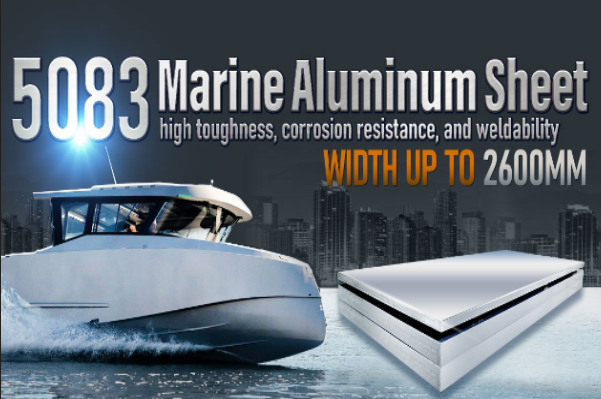
Applications of 5083 Aluminum Sheets
GNEE 5083 aluminum, a magnesium–manganese–chromium alloy, is known for its high corrosion resistance and outstanding ductility. It is widely used in:
Shipbuilding
Vehicle armor plates
Chemical and food industries
Automotive and marine applications
Available in cold-rolled, extruded, and polished forms, 5083 aluminum meets diverse industrial needs.
With a maximum strength of 317 MPa, GNEE 5083 ranks among the strongest non-heat-treatable aluminum alloys. For use in extreme environments, proper tempering and processing are essential to maintain performance and reliability.
In summary, GNEE 5083 aluminum sheets combine lightweight strength, corrosion resistance, and excellent formability, making them a top choice for marine, industrial, and automotive applications requiring both durability and long-term stability.