What are the key components of a blister wallet packing system for pharmaceutical tablets?
A blister wallet packing system typically consists of a thermoformed plastic cavity (blister) to hold tablets and a printed wallet enclosure for dosage instructions. The rear side often features perforated sections corresponding to daily doses, allowing patients to peel off segments as needed. This design enhances medication adherence by visually organizing doses chronologically. Materials like PVC rigid sheets and PtP aluminum foil are commonly used for blister formation, while the wallet may employ paper or laminated films for durability. Advanced versions integrate ultra-barrier coatings (e.g., Diofan® Super B) to protect against moisture and oxygen.
How do automated blister packing machines improve pharmaceutical packaging efficiency?
Modern machines like the DPH-260 model achieve speeds of 2,400–14,000 blisters/hour with electric-driven precision, reducing labor costs and human error. They combine upper/lower electric heating furnaces to seal PVC/Aluminum composites seamlessly, ensuring tamper-evident packaging. Features like adjustable forming areas (e.g., 80×105×25mm) and automatic feeding systems accommodate diverse tablet sizes and shapes. High-speed lines maintain consistent quality while enabling smaller pack sizes through optimized thermoformability.
What material innovations enhance the protective properties of blister packs?
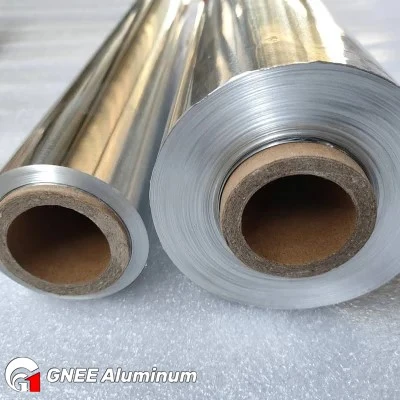
PVDC-based films (e.g., Diofan® Super B) provide dual barriers against oxygen and water vapor, extending shelf life in humid climates. Transparent PVC films (0.15–0.4mm thickness) offer rigidity and clarity for product visibility, while aluminum foils (0.02–0.035mm) ensure light and moisture protection. Customizable trays for vials incorporate gypsum/copper molds to fit specific drug dimensions. These materials undergo stringent ISO9001:2015 certification to meet pharmaceutical safety standards.
Why is blister packaging preferred for solid-dose drugs in regulatory submissions?
Regulatory bodies like the FDA emphasize blister packs' ability to maintain drug stability through hermetic sealing, a critical factor in ANDA approvals. Their unit-dose format minimizes contamination risks and supports compliance tracking during clinical trials. Stability studies often split commercial batches into sub-batches for different blister sizes, streamlining validation processes. The packaging's tamper-evidence and child-resistant features align with global safety guidelines.
What trends are shaping China's pharmaceutical blister packaging market?
The market is projected to grow significantly (2025–2030), driven by demand for automated solutions like the DPP-series machines with 2400–14000PCS/H output. Local manufacturers prioritize modular designs (e.g., DPH-260's electric heating furnace) for flexible production lines. Export-oriented suppliers leverage secured trading platforms to offer OEM services with ISO-certified materials. Sustainability initiatives are prompting R&D into recyclable blister films without compromising barrier performance.