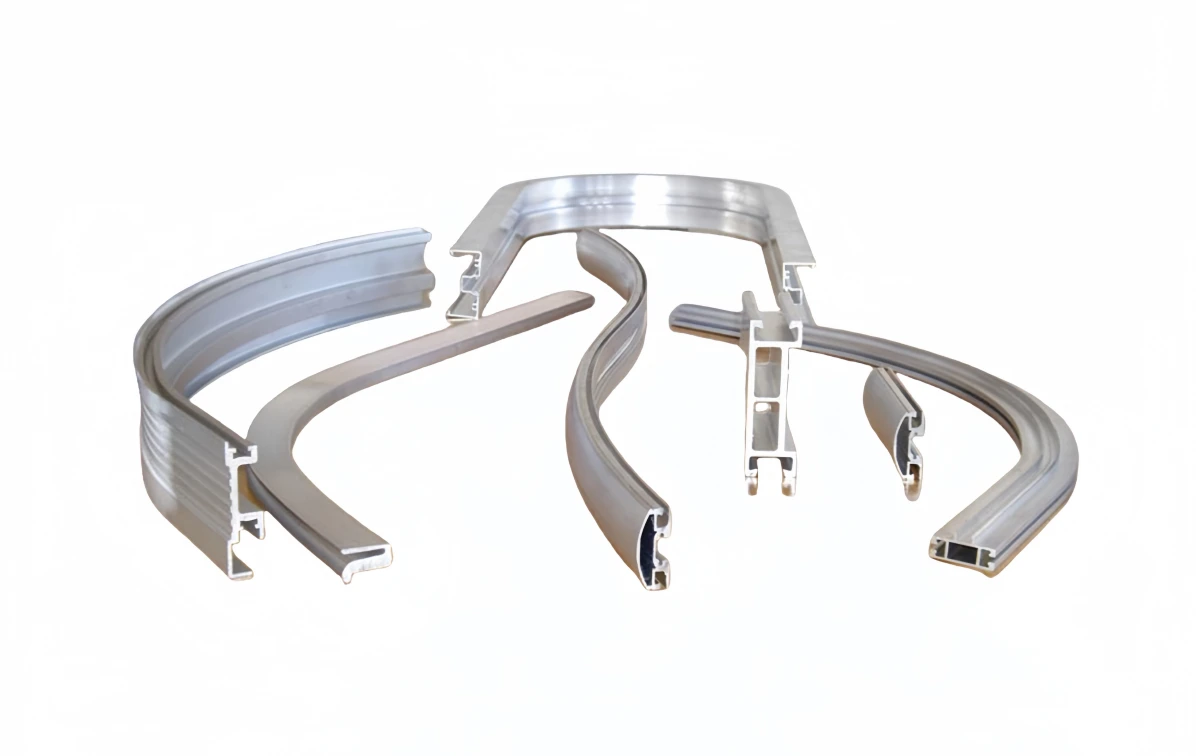
When choosing aluminum for fabrication and manufacturing, formability is a key factor-meaning how well the material can be bent, shaped, or formed without cracking. Among the available grades, 5052 aluminum stands out for its excellent balance of bendability, strength, and corrosion resistance.
So, is 5052 aluminum bendable? The short answer is yes-it's considered one of the most formable aluminum alloys. To fully understand its performance, it's important to look at its mechanical properties, alloy composition, bending behavior, and how it compares to other grades.
1. What Is 5052 Aluminum?
5052 is part of the 5xxx series of aluminum alloys, known for excellent corrosion resistance, moderate-to-high strength, and good weldability. Its primary alloying element is magnesium (2.2%–2.8%), which gives it a significant strength advantage over 1100 and 3003 alloys while maintaining great formability.
Chemical Composition Overview:
Magnesium: 2.2%–2.8%
Chromium: 0.15%–0.35%
Aluminum: Balance
GNEE supplies 5052 aluminum in a range of tempers and thicknesses for marine, automotive, industrial, and general-purpose applications.
2. Is 5052 Aluminum Bendable?
Yes, 5052 aluminum is highly bendable-particularly in the annealed (O) temper or in H32 condition. It can be bent into tight shapes without cracking and is suitable for complex forming operations.
Key bending advantages:
High ductility
Good fatigue strength
Low risk of cracking at sharp angles
Retains strength after forming
Compared to 6061, 5052 is significantly easier to bend, especially in thinner gauges.
3. Factors Influencing Bendability
Several factors affect how 5052 performs in bending:
1. Temper Condition
5052-O (Annealed): Maximum flexibility, ideal for very tight bends
5052-H32 / H34: Stronger, but still good bendability for moderate bends
5052-H38: Harder and less suitable for tight bends
For most bending applications, 5052-O or 5052-H32 is recommended.
2. Material Thickness
Thinner sheets (0.5 mm–2 mm) are easier to bend
Thicker plates require higher force and larger bend radii to prevent cracking
3. Bend Radius
For H32 temper, a minimum inside bend radius of around 1.5x material thickness is recommended
4. Grain Direction
Bending across the grain reduces cracking risk
Bending along the grain can lead to brittleness
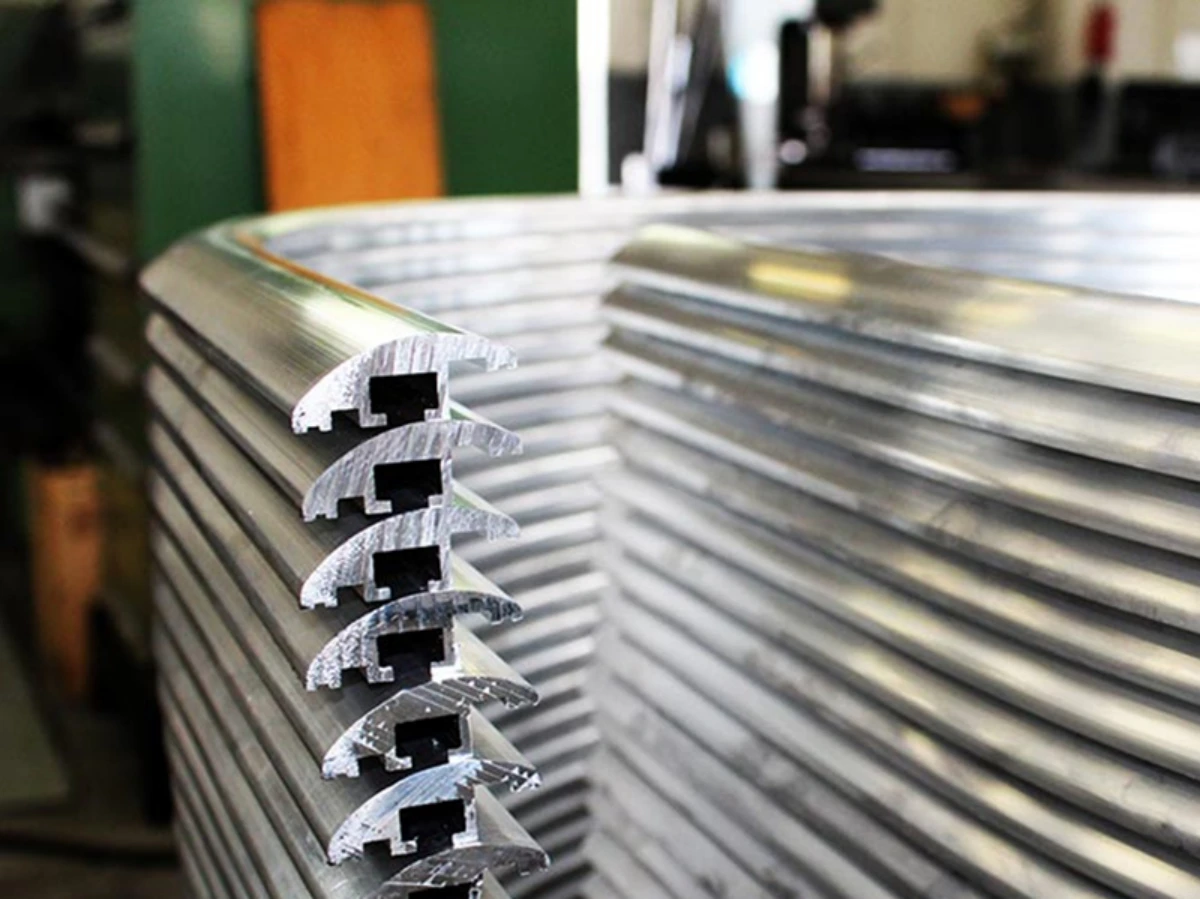
4. Best Bending Methods for 5052 Aluminum
Common forming methods include:
Press brake bending: Ideal for precision angles
Roll bending: For curved shapes
Air bending/bottoming: Allows flexible control over bend radius
Coining: For sharp, clean bends in thicker material
To ensure quality results, use the correct tools and proper die setup and avoid surface damage during forming.
5. 5052 vs 6061 Aluminum in Bendability
| Property | 5052 Aluminum | 6061 Aluminum |
|---|---|---|
| Magnesium Content | High | Moderate |
| Typical Application | Formed parts | Machined, structural parts |
| Bendability | Excellent | Poor to fair (especially in T6) |
| Cracking Risk | Low | High in T6 temper |
| Cost | Slightly higher | Lower |
5052 is the better choice when formability is crucial.
6. Common Uses of 5052 Aluminum in Bending
Thanks to its formability and corrosion resistance, 5052 is widely used in:
Automotive
Fuel tanks
Interior panels
Wheel covers
Marine
Boat hulls
Decking
Storage lockers
Architecture
Curved cladding
Window frames
Roofing panels
Aerospace/Defense
Interior structures
Enclosures
Brackets
Consumer Goods
Toolboxes
Appliances
Outdoor cabinets
7. Advantages of 5052 Aluminum
Superior corrosion resistance (especially in marine environments)
Excellent formability for deep drawing and bending
Higher strength than 3003 and 1100 alloys
Good weldability (suitable for TIG/MIG)
Lightweight and easy to machine
GNEE offers custom-sized 5052 aluminum with consistent grain structure and high surface finish to support your forming needs.
8. Limitations
While beneficial in many areas, 5052 has some limitations:
Not heat-treatable like 6061
Softer material can be harder to machine
Tight bends in thicker gauges may need special tooling
9. Ordering Bendable 5052 Aluminum from GNEE
To order 5052 aluminum for bending, provide:
Temper (e.g., O, H32)
Thickness and dimensions
Surface finishes (e.g., mill finish, anodized)
Any special forming or radius requirements
GNEE, a trusted supplier in China, provides high-quality 5052 aluminum tailored to your bending and fabrication needs.
10. Conclusion: Is 5052 Aluminum Bendable?
Absolutely. 5052 aluminum is one of the most bendable and formable aluminum alloys available. Its high magnesium content provides strength without sacrificing ductility, making it ideal for curved or complex fabrications. Whether you're crafting precision enclosures or lightweight structures, 5052 is an excellent choice.
For premium, bend-ready 5052 aluminum, contact GNEE for material expertise and customized solutions tailored to your project.