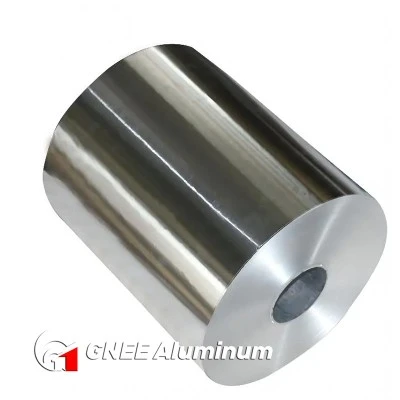
What are the primary advantages of using 20-micron aluminium foil for waterproofing?
A 20-micron aluminium foil offers excellent moisture barrier properties due to its high density and impermeability. Its thin yet durable structure ensures flexibility, making it easy to install on curved or uneven surfaces. The foil reflects heat and UV radiation, enhancing its durability in outdoor applications. It is also corrosion-resistant, extending the lifespan of waterproofing systems. Additionally, it is lightweight, reducing structural load compared to thicker alternatives.
How does 20-micron aluminium foil compare to thicker foils (e.g., 30–50 microns) in waterproofing applications?
While thicker foils provide marginally better puncture resistance, 20-micron foil is often preferred for its balance of performance and cost-efficiency. It maintains sufficient tensile strength for most waterproofing needs while being easier to handle and cut. Thinner foils also reduce material waste and transportation costs. However, in high-mechanical-stress environments (e.g., roofing under heavy foot traffic), thicker foils may be more suitable.
What types of adhesives or backing materials are commonly paired with 20-micron aluminium foil for waterproofing?
Common pairings include bitumen-based adhesives for roofing, acrylic or SBS-modified polymers for flexibility, and self-adhesive backings for ease of installation. Some foils incorporate polyethylene (PE) or polyester layers to enhance tear resistance. The choice depends on the substrate (e.g., concrete, wood) and environmental conditions (e.g., temperature fluctuations).
In which construction or industrial sectors is 20-micron aluminium foil most widely used for waterproofing?
Key applications include residential and commercial roofing, underground tunnel linings, HVAC duct insulation, and packaging for moisture-sensitive goods. It is also used in agricultural films and solar panel backsheets due to its reflective properties. The construction industry favors it for its compliance with fire safety and energy efficiency standards.
How should 20-micron aluminium foil be installed to maximize its waterproofing effectiveness?
Ensure the substrate is clean, dry, and free of sharp protrusions to prevent damage. Overlap seams by at least 50–100 mm and seal them with compatible adhesive or tape. Use rollers to eliminate air bubbles and ensure full adhesion. In outdoor applications, UV-resistant top coatings may be added for prolonged durability. Regular inspections post-installation help identify and repair potential weak points.