Bauxite Mining: Aluminum is extracted from bauxite ore, which contains aluminum hydroxide minerals. Major deposits are found in Australia, China, and Guinea.
Bayer Process: Bauxite is refined into alumina (Al₂O₃) using caustic soda and high heat. Impurities like iron oxide are removed, leaving white alumina powder.
Hall-Héroult Process: Alumina is dissolved in molten cryolite and electrolyzed in carbon-lined cells. Electric current splits alumina into liquid aluminum (collected at the cathode) and CO₂ (released at the anode).
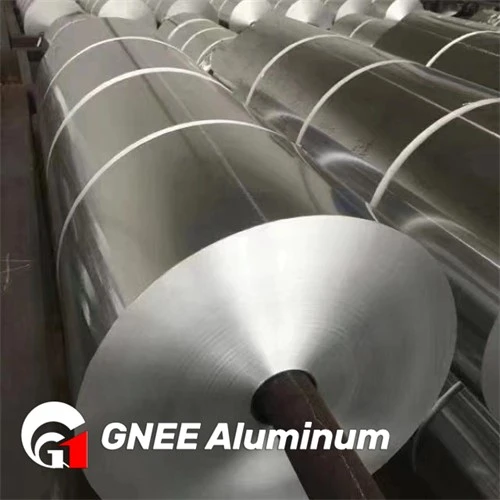
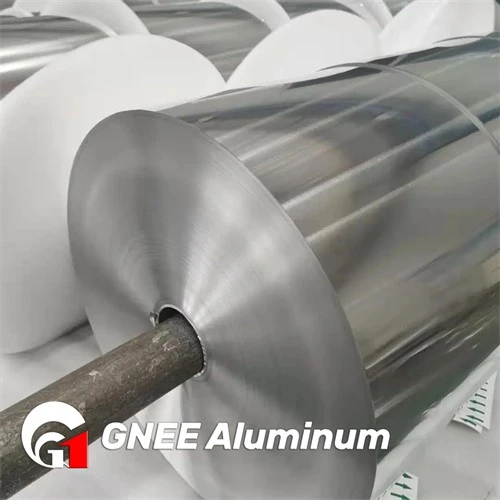
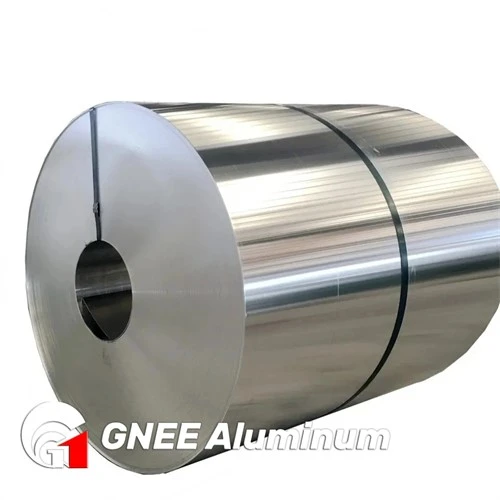
Casting: Molten aluminum is poured into molds to form ingots, sheets, or foils. These are later rolled or extruded into industrial products.
Recycling: Secondary production melts scrap aluminum (e.g., cans, foil), requiring only 5% of the energy used in primary production.
The process is energy-intensive (≈15 kWh per kg of aluminum), driving efforts to adopt renewable energy and improve efficiency.