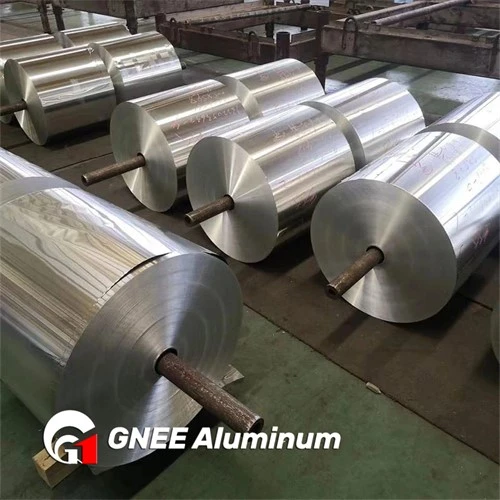
Aluminum foil packaging began in the early 20th century. At that time, aluminum foil was an expensive packaging material and was only used for high-end packaging. In 1911, the Swiss Confectionery Company began to use aluminum foil to package chocolate, which gradually replaced tin foil and became popular.
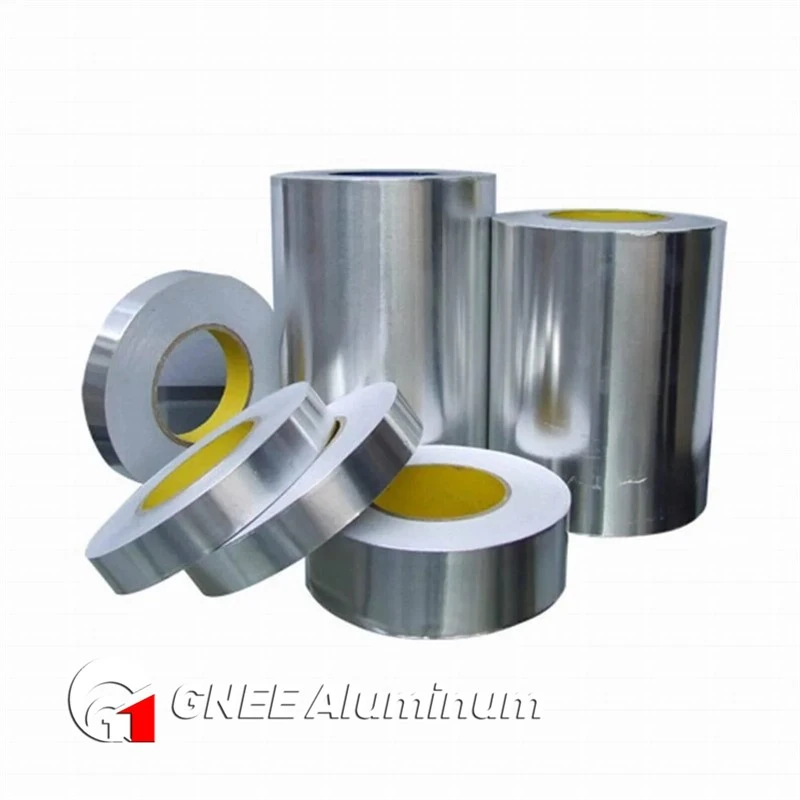
In 1913, based on the success of aluminum smelting, the United States also began to produce aluminum foil, which was mainly used for high-end goods, life-saving supplies and chewing gum packaging. In 1921, the United States successfully developed composite aluminum foil cardboard, which was mainly used as decorative boards and high-end packaging folding cartons. In 1938, heat-sealable aluminum foil was introduced. During World War II, aluminum foil developed rapidly as a military packaging material.
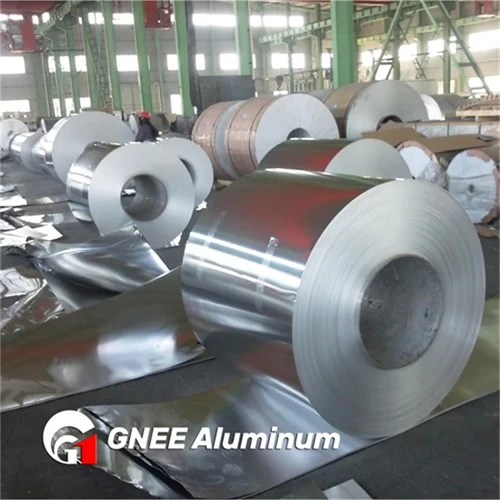
Formed aluminum foil containers began to be used to package food in 1948. In the 1950s, aluminum paper and aluminum-plastic composite materials began to develop. By the 1970s, with the maturity of color printing technology, aluminum foil and aluminum-plastic composite packaging entered a period of rapid popularity.