

Aluminum alloy is an alloy based on aluminum with a certain amount of other alloying elements added. It is one of the light metal materials. The density of aluminum alloy is about 2.7 grams/cubic centimeter, which is only 1/3 of steel, so it is a lightweight material that can effectively reduce the weight of the structure. At the same time, aluminum alloys also have good strength and plasticity and can meet the needs of various complex structures.
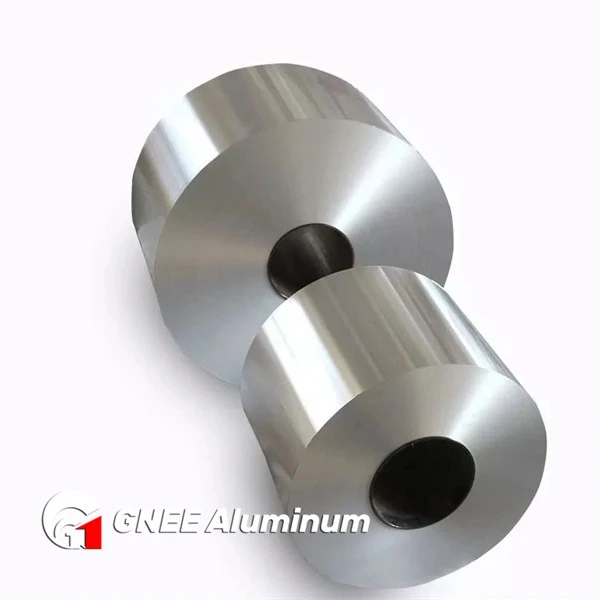
Aluminum alloys are widely used in aerospace, automobile and bicycle manufacturing, radiators and other applications that require heat dissipation due to their lightweight, high strength, good thermal and electrical conductivity, corrosion resistance, and good processability. . In addition, aluminum alloys also have good electrical conductivity and have become common materials in electrical wires and electronic devices. The disadvantages of aluminum alloys are that they have relatively low wear resistance and hardness, are susceptible to wear and scratches, and are easily deformed, limiting their use in some applications.
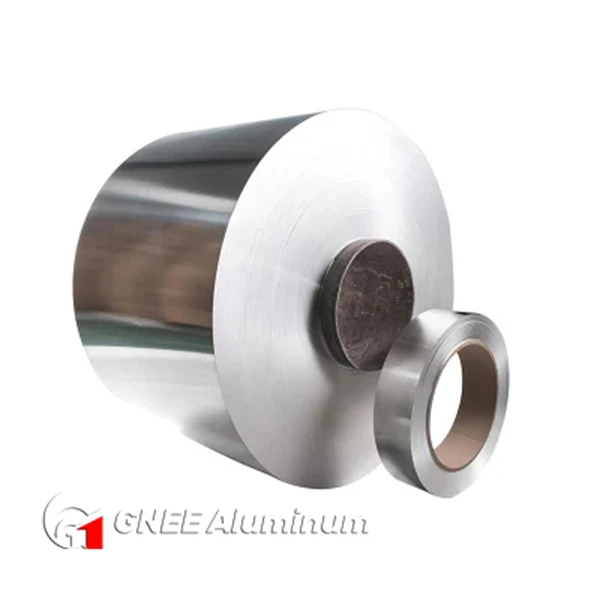
Aluminum alloys can be divided into many types according to different classification methods. According to the classification of aluminum products, they can be divided into rolled materials, cast materials and non-heat-treated alloys. According to classification, it can be divided into architectural aluminum profiles, radiator aluminum profiles, general industrial aluminum profiles, rail vehicle structural aluminum alloy profiles, etc. According to the classification of alloy composition, it can be divided into alloy grade aluminum profiles such as 1024, 2011, 6063, 6061, 6082, and 7075.
What are our commonly used aluminum alloy grades? These grades of aluminum alloys have different properties and uses and are suitable for different fields and industries.