Classification by Material and Structure
1. Pure Aluminum Foil: Pure aluminum is used as the base material and is formed into thin sheets through a rolling process. It has high thermal conductivity and reflective properties and is often used in scenes such as building and pipeline insulation.
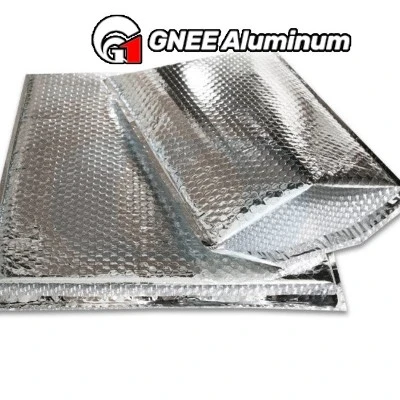
Composite aluminum foil: Aluminized film + polyethylene (PE): It has both the reflectivity of aluminum and the sealing of PE. It is used for roof and wall insulation. It is environmentally friendly and easy to install.
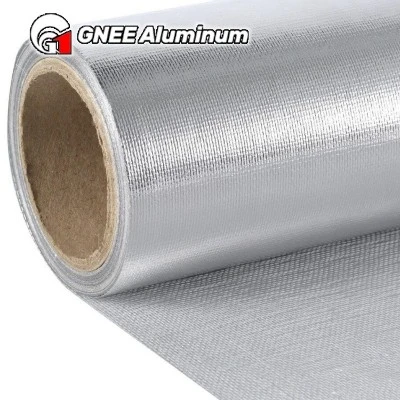
Aluminum foil + fiberglass cloth: It is used for automotive insulation pipes to isolate hot and cold gases and protect wiring harnesses. It is high temperature resistant and flexible.
Aluminum foil + foam substrate (such as XPE): It combines the cushioning of foam and the reflectivity of aluminum foil, and is used for acoustic insulation or heat dissipation of electronic equipment.
2. Classification by application scenario
Building insulation: Roof/wall insulation film: It achieves energy saving and moisture and sun protection by reflecting more than 80% of external heat. Floor insulation layer: Reduce the impact of temperature fluctuations on building structures.
Industry and transportation:
Automobile insulation pipe: Wrap glass fiber cloth for ventilation system or wiring harness protection.
Pipe insulation: Combine with glass wool or rock wool to improve insulation efficiency.
Household and electronics:
Household appliance insulation layer (such as refrigerators, ovens).
Electronic equipment heat sink: Use ultra-thin double zero aluminum foil (thickness <0.01mm) toachieveefficientheatdissipation.
3. Classification by functional characteristics Heat reflection type: Reflect heat radiation through aluminized film to reduce heat transfer (such as building insulation film).
Sound insulation type: Combine with foam or fiber materials to absorb sound wave vibrations (such as XPE aluminum foil foam).
Electromagnetic shielding type: The conductivity of aluminum foil itself can shield electromagnetic interference and is used for precision instruments or communication equipment.
4. Classification by physical properties
Thickness:
Thick foil (0.1-0.2mm): used in scenes requiring support such as building formwork.
Single zero foil (0.01-0.1mm): lightweight and flexible, suitable for handicrafts or packaging.
Double zero foil (<0.01mm): ultra-thin and transparent, used for high-end heat dissipation or precision packaging.
Shape:
Rolled: easy to transport and cut, occupying the mainstream of the market.
Sheet: suitable for manual packaging or small-scale needs.
5. Classification by core material type
Glass wool/rock wool veneer (FSK Facing): aluminum foil + kraft paper composite, used for pipe or wall insulation.
Honeycomb core material: Aluminum foil is made into a honeycomb structure, used for high-strength insulation needs such as aerospace.
Aramid paper substrate: fire-resistant and flame-retardant, suitable for high temperature or fire-proof scenes.