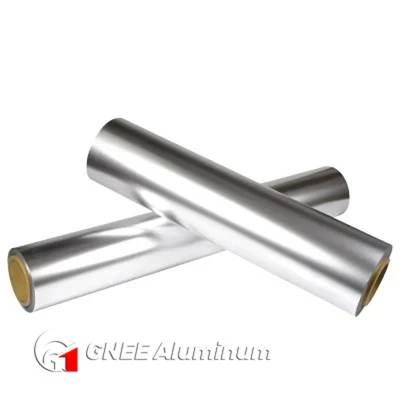
Why is aluminum foil commonly used for chocolate packaging?
Aluminum foil is ideal for chocolate packaging because it provides excellent barrier properties against moisture, oxygen, and light-three major factors that cause chocolate to melt or develop "bloom." Its malleability allows tight wrapping that preserves shape while being thin enough for cost-efficient transportation. The material is FDA-approved for direct food contact and doesn't transfer odors or flavors. Additionally, foil's heat conductivity helps in tempering chocolate during production. Many premium brands use it because it enhances shelf life (up to 2 years) while maintaining freshness.
What are the thickness standards for chocolate packaging foil?
Typical aluminum foil for chocolate ranges between 0.016mm to 0.024mm (16-24 microns), balancing durability and flexibility. Thicker foils (e.g., 30μm) are used for luxury chocolates requiring extra protection during shipping, while thinner versions (12μm) suit individually wrapped pieces. European standards often specify 7-20μm for inner layers combined with outer packaging. The choice depends on cocoa butter content-dark chocolate usually needs thicker foil due to higher fat sensitivity. Manufacturers conduct ASTM F392 tests to verify barrier effectiveness at selected thicknesses.
How does aluminum foil prevent chocolate bloom?
Chocolate bloom (white discoloration) occurs when fat or sugar crystals migrate to the surface due to temperature fluctuations. Aluminum foil's impermeability blocks humidity that triggers sugar bloom and minimizes oxygen exposure causing fat bloom. Its light reflection (up to 97%) prevents UV-induced oxidation. By maintaining a consistent microclimate, foil reduces thermal shocks during storage. Studies show foil-wrapped chocolates exhibit 80% less bloom than those in polymer films after 6 months. Some foils even incorporate microscopic pores for controlled breathability in tropical climates.
Can aluminum foil be recycled with chocolate residue?
Yes, most recycling facilities accept aluminum foil with minor chocolate residue since high-temperature smelting (660°C) burns off organic matter. Consumers should scrape off excess chocolate and fold foil into a ball (minimum 2cm diameter) to avoid sorting machine jams. Industry initiatives like the Aluminium Foil Recycling Alliance promote "scrunch tests" to educate users. However, composite materials (e.g., foil glued to paper) require separation. Recycled foil saves 95% energy versus virgin production, making it eco-friendly despite cleaning steps.
What innovations exist in chocolate foil packaging?
Recent advances include nano-coated foils with antimicrobial properties to extend shelf life further. Smart foils embedded with RFID tags enable supply chain tracking, while QR-code printed versions enhance consumer engagement. Sustainable options like 100% recycled-content foil or biodegradable coatings are gaining traction. Some brands use embossed foil for tactile branding (e.g., Hershey's signature grooves). Researchers are testing "active foils" that release inert gases to delay rancidity in nut-filled chocolates. These innovations balance functionality with environmental responsibility.