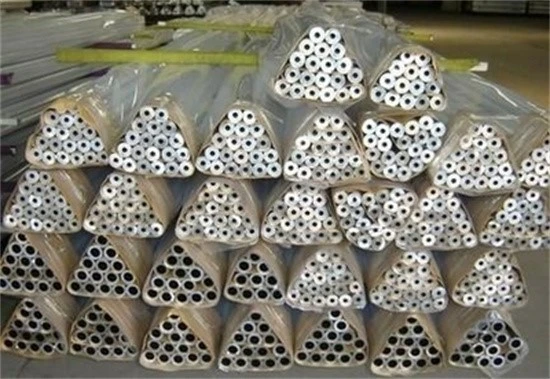
Melting is a process in which a solid heats up and turns into a fluid liquid. After the feeding is completed, melting begins. During the melting process, it is necessary to ensure that the melting is rapid and even, and the temperature near the flame is relatively high, reaching more than 1200°C.
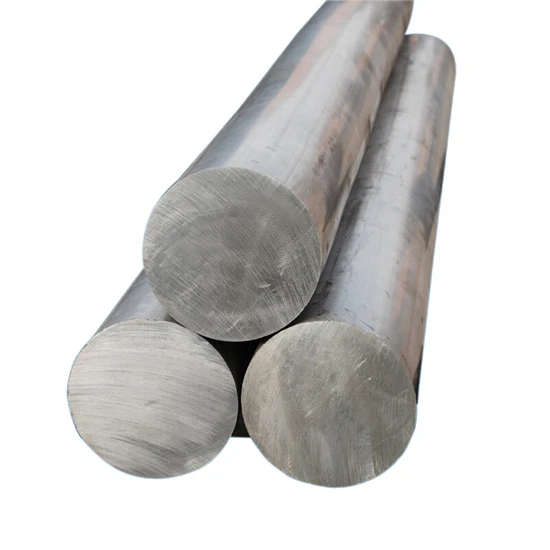
In order to avoid local overheating and excessive temperature, which may cause serious oxidation of the aluminum alloy and cause inconvenience to the later product refining, during the melting process Stirring should be carried out, and the unmelted charge should be scooped into the molten aluminum so that it is basically completely immersed and stirred evenly to avoid local overheating. For the last immersed elements such as Mg, the flame cannot be directly heated and melted, and because the aluminum liquid is immersed in the raw materials, the temperature is lowered, keeping the elements such as Mg to melt at a relatively low temperature, reducing burning loss and improving combustion efficiency.
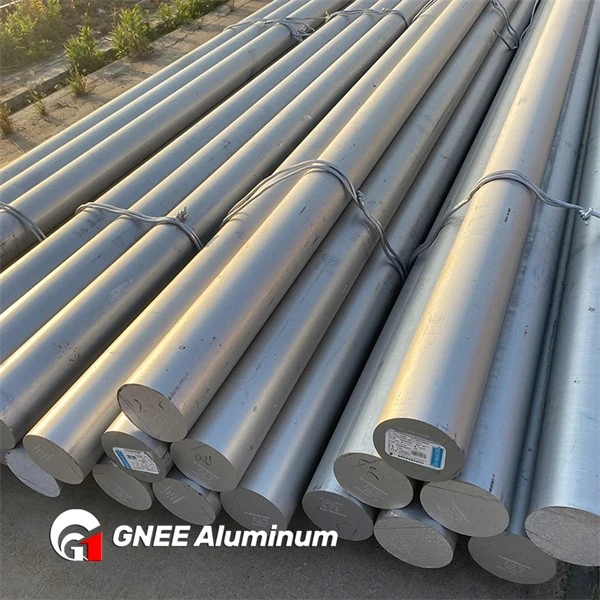
Aluminum alloy begins to melt at about 600 ℃, and is completely melted when the temperature rises to 660 ℃. The melting temperature is controlled not to exceed 760 ℃. When the melting temperature exceeds 770°C, the aluminum alloy is seriously oxidized, hydrogen absorption and slag inclusions increase during the smelting process, and grains become coarse during the casting and solidification process, reducing the mechanical properties. In order to reduce the oxidation of aluminum alloy during the melting process, 0.4% to 0.5% covering agent is added during the melting process to protect the oxide film on the surface of the aluminum alloy from being destroyed. The type of covering agent is similar to the chemical composition of the slag cleaning agent.