What are the key properties of 8079-O aluminium foil for aseptic packaging?
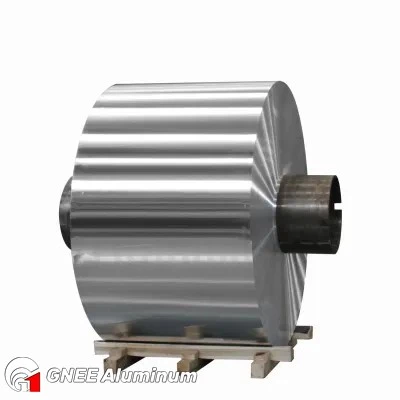
The 8079-O aluminium foil is specifically designed for aseptic pharmaceutical and food packaging due to its high moisture resistance, excellent gas barrier, and puncture resistance. It maintains structural stability in extreme temperatures (-73°C to 371°C) and complies with international hygiene standards, ensuring product safety. Its superior elongation rate and airtightness prevent contamination during storage and transit. Additionally, its non-toxic, odorless nature makes it ideal for sensitive applications like medicine and food. The foil's silver luster also allows for aesthetic packaging designs.
How does 8079-O foil meet pharmaceutical packaging requirements?
This foil grade undergoes rigorous testing for bacteria and fungi resistance, fulfilling pharmaceutical safety norms. Its impermeability to light, oxygen, and moisture safeguards drug efficacy. The material's stability ensures no deformation during sterilization processes like autoclaving. Furthermore, it's processed in cleanroom environments to maintain aseptic conditions. These attributes align with stringent regulations like USP and EP for medicinal packaging.
Why is 8079-O preferred over other alloys for aseptic applications?
Compared to standard alloys, 8079-O offers enhanced elongation (critical for blister pack molding) and tear resistance. Its layered microstructure provides better hermetic sealing, crucial for aseptic liquid packaging. The alloy's purity (low iron/silicon content) minimizes reactive risks with sensitive contents. It also withstands aggressive sterilization methods like gamma irradiation without degradation. Cost-performance balance further justifies its preference despite higher pricing.
What manufacturing standards apply to 8079-O aseptic foil production?
Production adheres to ISO 15378 for pharmaceutical primary packaging and FDA 21 CFR for food contact. Facilities must maintain Grade A/B cleanrooms (ISO 14644) to prevent particulate contamination. Rolling processes ensure consistent thickness (0.02–0.2mm) and defect-free surfaces. Suppliers like IPS Ariflex employ ultrasonic cleaning for foil sterilization pre-lamination. Certifications like ISO 9001 and GMP are mandatory for quality assurance.
How does 8079-O foil contribute to sustainability in packaging?
Its lightweight nature reduces transport emissions versus glass/plastic alternatives. The foil is fully recyclable, with a high recovery rate in industrial waste streams. Advanced production techniques minimize energy use (e.g., cold rolling). Barrier properties extend product shelf life, cutting food/medicine waste. Some manufacturers offset carbon footprints via renewable energy in smelting.