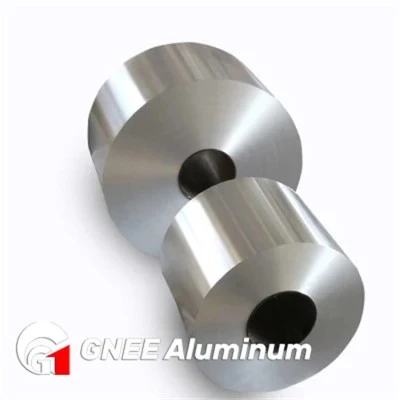
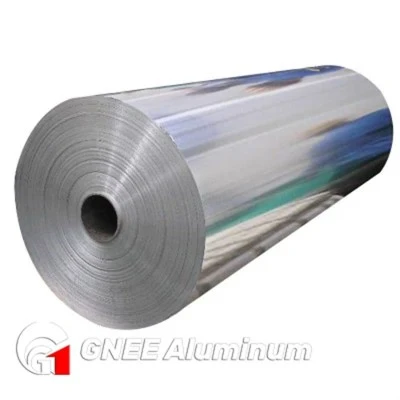
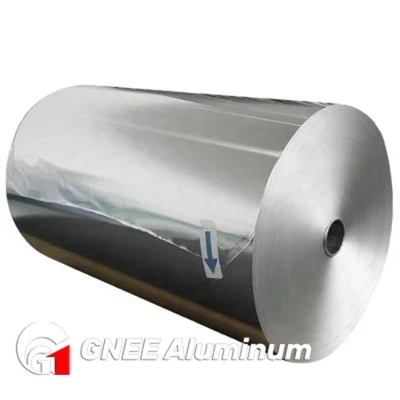
What are the key properties of A Grade Aluminum Foil Flexible?
A Grade Aluminum Foil Flexible is known for its moisture-proof, airtight, and light-shielding properties. It is soft, ductile, and has a silvery-white luster, making it suitable for various applications like packaging and thermal insulation. Its thickness typically ranges from 0.006mm to 0.2mm, ensuring flexibility and durability.
How is aluminum foil produced for flexible applications?
Aluminum foil for flexible packaging is produced through cold rolling, where an aluminum ingot is progressively reduced in thickness. The final step involves annealing to remove oils and ensure quality. This process results in a thin, flexible sheet that can be laminated with other materials for enhanced barrier properties.
What are the common uses of A Grade Aluminum Foil Flexible?
It is widely used in food packaging, electrolytic capacitors, and thermal insulation due to its moisture resistance and non-toxic nature5. Its ability to retain fragrances and block light makes it ideal for perishable goods. Additionally, it is used in electrochromic devices for color-changing applications.
How thick is laminated aluminum foil in flexible food packages?
Studies show that laminated aluminum foil in flexible food packages has a thickness ranging from 0.00048 cm to 0.00069 cm (4.8–6.9 μm). This corresponds to approximately 22,500–32,600 atomic layers, demonstrating its ultra-thin yet robust structure.
What innovations are being made with flexible aluminum foil?
Recent innovations include low-cost electrochromic tape devices using kitchen-grade aluminum foil, which are durable and flexible for applications like adaptive camouflage. These devices leverage the foil's conductivity and flexibility to create color-changing materials.