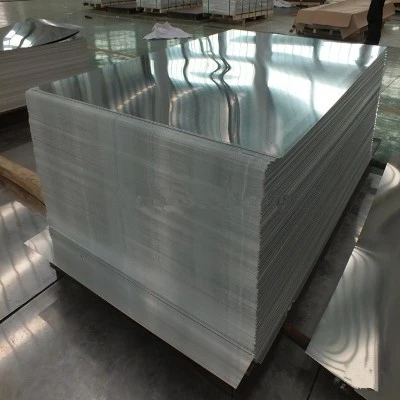
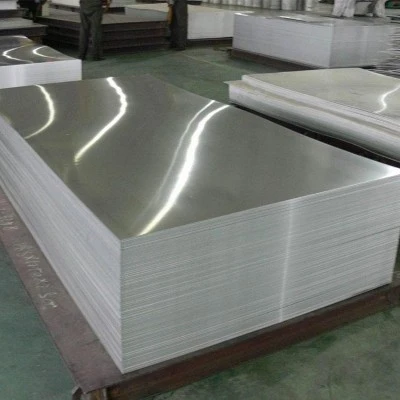
Why 1060/1050/3003 Aluminum Sheets (2mm/3mm/4mm) Are Customer Favorites?
If you're hunting for aluminum sheets that won't break the bank but still get the job done-whether it's DIY crafts, small business projects, or basic industrial parts-these three alloys (1060, 1050, 3003) in 2mm, 3mm, 4mm thicknesses are exactly what you need. They're not for heavy-duty jobs like marine hulls or construction beams, but for everyday tasks where formability, affordability, and reliability matter most. We've sold these to hobbyists, sign makers, and small manufacturers for years, and their consistent performance is why repeat orders keep coming in.
Let's Break Down the Alloys: What Makes Each Unique?
First, let's get clear on what sets 1060, 1050, and 3003 apart-their chemistry keeps things simple, no fancy extras:
1060 Aluminum: The "go-to pure alloy." It's 99.6% aluminum, with tiny bits of silicon and iron. Super soft, easy to bend and cut, and has a clean silver finish. Perfect if you need something that's simple to work with and looks neat.
1050 Aluminum: Almost as pure as 1060 (99.5% aluminum), but slightly softer. It's even easier to shape-great for delicate projects like custom decor or thin parts that need flexibility. The tradeoff? It's a tiny bit less durable than 1060, so it's better for indoor or light-use jobs.
3003 Aluminum: The "tougher basic alloy." It's 96.5–98.5% aluminum plus 1.0–1.5% manganese. That extra manganese makes it stronger than 1060/1050-still easy to work with, but can handle a bit more wear, like outdoor signs or small storage boxes.
No complicated formulas-just alloys built for specific needs. 1050/1060 for softness and formability; 3003 for a little extra strength.
The 3 Most Popular Thicknesses: What They're Used For
We've learned from customers that 2mm, 3mm, 4mm are the sweet spots-here's how each thickness works with the alloys:
2mm Thick: The "Light & Flexible Pick"
This is the thinnest we recommend for most projects-it's easy to handle but still sturdy enough to avoid bending under light weight.
1050/1060 2mm: Perfect for DIY crafts (like photo frames, decorative wall panels) or small signs. You can cut it with a utility knife for small pieces, and it bends smoothly around gentle curves. We had a customer make custom wedding favors with 1050 2mm-they said it was easy to engrave and didn't crack.
3003 2mm: Great for lightweight outdoor items, like garden markers or small tool organizers. The manganese adds just enough strength to handle rain or sun without warping.
3mm Thick: The "All-Purpose Choice"
This is our bestseller-it balances flexibility and sturdiness, so it works for almost any basic project.
1060 3mm: Ideal for kitchen backsplashes or indoor shelving. It's thick enough to hold up to daily use (like wiping down a backsplash) but still easy to cut to size with a circular saw.
1050 3mm: Good for delicate industrial parts, like small electronics covers. It's soft enough to drill holes without cracking but thick enough to protect the device inside.
3003 3mm: Perfect for outdoor signs or small storage bins. It can handle being moved around (like a bin for gardening tools) and resists minor scratches or dents.
4mm Thick: The "Sturdy Basic Option"
This is the thickest for these alloys-great if you need a bit more rigidity, but don't want to upgrade to a pricier strong alloy.
1060 4mm: Works for small workbenches (like a hobby table) or heavy-duty photo frames. It won't warp under the weight of tools or large photos.
3003 4mm: Best for outdoor items that need durability, like small patio furniture (side tables) or toolbox lids. The manganese makes it tough enough to handle being set down or opened/closed often.
1050 4mm: Less common, but good for indoor parts that need thickness without strength-like decorative room dividers. It's still easy to shape, even at 4mm.
Key Properties You'll Care About
These alloys don't have fancy specs, but they deliver on the basics that matter for everyday use:
Formability: All three are easy to cut, bend, drill, and even weld (with basic equipment). You don't need special tools-just a standard saw, drill, or welding kit.
Corrosion Resistance: They resist minor rust (unlike steel) and hold up well indoors. For outdoor use, 3003 is the best (thanks to manganese), but 1050/1060 will work too if you add a coat of paint to prevent oxidation.
Weight: At around 2.7 g/cm³, they're lightweight-even a 4mm sheet is easy to carry and install. No need for heavy equipment to move them.
Price: They're some of the most affordable aluminum alloys out there. Way cheaper than 5083 or 6061, so they're perfect if you're on a budget.
Why These Beat Other Alloys for Basic Jobs
If you don't need heavy-duty strength, these alloys are better than pricier options:
vs. 5083/6061: Those are strong, but they're harder to work with and cost twice as much. For basic projects, 1060/1050/3003 do the job for less.
vs. Steel: Steel is stronger, but it's heavy, rusts easily, and needs painting. These aluminum sheets are lighter, don't rust, and look clean without paint.
vs. 1100 Aluminum: 1100 is pure, but it's softer than 1060/1050. Our alloys hold their shape better, especially at 3mm/4mm.