

1070 mirror aluminum sheet is widely used in solar reflectors due to its ultra-high purity (≥99.7%), excellent reflectivity (up to 90%), and stable surface performance under long-term sunlight exposure.
Typical Applications of 1070 reflective aluminum sheet in the Solar Industry
- Solar thermal power plants (CSP systems): Used in large-scale Concentrated Solar Power facilities to reflect and focus sunlight onto a central receiver tube.
- Solar concentrators: Applied in parabolic trough collectors where the aluminum must be bent into precise optical curves.
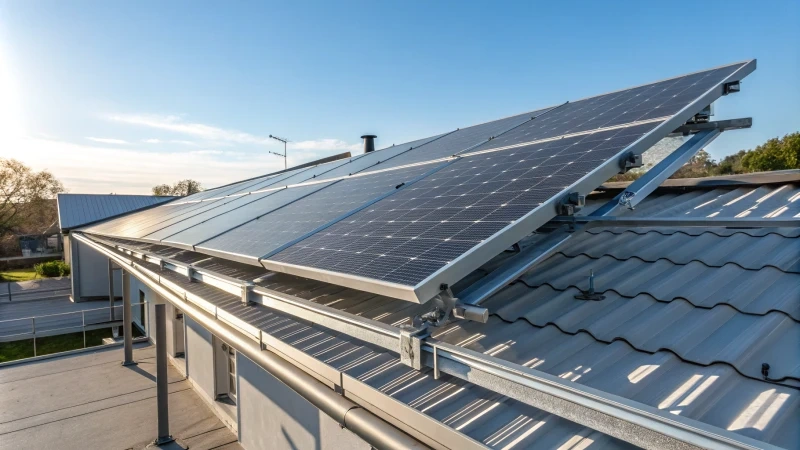
- Auxiliary reflectors for photovoltaic (PV) panels: Installed between or around standard solar panels to bounce additional light onto the PV cells, boosting overall electricity generation.
- Heliostat mirror systems: Used as flat tracking mirrors that follow the sun's trajectory throughout the day.
Why Reflectivity Is Critical in Solar Applications
In the solar industry, every percentage point of light reflection directly translates to energy yield and project ROI (Return on Investment). Here is why high-quality mirror aluminum is essential:
- Improves Light Collection Efficiency: A highly reflective surface ensures that maximum solar radiation is captured and directed to the target area without being absorbed by the metal itself.
- Enhances Thermal Conversion: In solar water heaters or CSP plants, focused light generates heat. More reflected light means higher temperatures and better thermal performance.
- Reduces Energy Loss: Poor-quality surfaces scatter light (diffuse reflection) instead of directing it (specular reflection). Higher reflectivity directly increases solar energy utilization efficiency.
1070 vs 1060 vs 1050 Aluminum Alloys for Solar Reflectors
When sourcing materials, buyers often need to balance cost and performance. The 1000 series (pure aluminum) is the standard for mirrors, but the specific grade matters. Below is a comparison of 1070, 1060, and 1050 aluminum.
| Alloy Grade | Aluminum Purity | Typical Reflectivity | Corrosion Resistance |
| 1070 Mirror Finish Aluminum Sheet | ≥ 99.7% | 88% – 90% | Excellent |
| 1060 Aluminum | ≥ 99.6% | 85% – 88% | Very Good |
| 1050 Aluminum | ≥ 99.5% | 82% – 85% | Good |
1070 aluminum offers the best combination of reflectivity and durability for solar reflector applications. While wholesale 1050 aluminum sheet and 1060 aluminum coil are cheaper and commonly used for indoor lighting, their slightly higher impurity levels prevent them from reaching the extreme optical clarity required for high-efficiency solar farms.
Key Advantages of 1070 Mirror Aluminum for Solar Use
1. High Reflectivity (Up to 90%)
Because of its ≥99.7% purity, 1070 aluminum reacts perfectly to mechanical polishing and chemical brightening. It can achieve up to 90% specular reflectivity. This maximizes solar energy utilization and directly increases the power generation efficiency of the entire solar array.
2. Excellent Weather Resistance
Solar panels are installed outdoors, facing extreme heat, UV radiation, rain, and dust. 1070 aluminum maintains stable performance under harsh outdoor conditions. It naturally forms a protective oxide layer, and when anodized, it becomes highly resistant to UV degradation, preventing the mirror surface from turning yellow or peeling over decades of use.
3. Superior Surface Quality
Impure aluminum often shows microscopic orange peel textures or black streaks after polishing. The ultra-high purity of 1070 ensures a uniform, flat surface with no obvious visual defects. This guarantees that light is reflected straight, without optical distortion.
4. Lightweight and Easy Installation
With a density of 2.7 g/cm³, aluminum is roughly one-third the weight of traditional glass mirrors. This drastically reduces the structural load on tracking mounts and heliostat frames. It is also easier to transport, handle, and install in remote desert solar farms, significantly cutting down labor and shipping costs.

Typical Properties of 1070 Mirror Aluminum Sheet
For engineers calculating wind loads, bending radii, and optical performance, exact data is required. Below are the standard mechanical and chemical properties of GNEE's 1070 mirror aluminum sheet.
| Property | Value |
|---|---|
| Reflectivity | 88%–90% |
| Density | 2.7 g/cm³ |
| Tensile Strength | 60–95 MPa |
| Elongation | ≥ 25% |
| Surface Roughness | Ra ≤ 0.2 μm |
Chemical Composition of 1070 Mirror Aluminum Sheet
| Element | Content (%) |
|---|---|
| Al | ≥ 99.7 |
| Fe | ≤ 0.25 |
| Si | ≤ 0.20 |
| Others | ≤ 0.03 |
How to Specify 1070 Mirror Aluminum Sheet for Solar Reflectors
When sending an inquiry to an aluminum supplier, providing the correct parameters ensures you get an accurate factory price and the exact material your production line needs. Here are the typical specifications you should provide:
| Parameter | Typical Manufacturing Range |
| Thickness | 0.3 mm – 1.2 mm (Depends on structural requirements) |
| Standard Width | ≤ 1500 mm (Custom slitting available) |
| Reflectivity Requirement | ≥ 85% or ≥ 88% |
| Surface Finish | Mechanical Mirror / Anodized Mirror |
| Protective Film | PE / PVC film on the mirror side |
FAQ
Q1: Can mirror aluminum replace traditional glass mirrors in solar systems?
Yes. Mirror aluminum is lighter, safer, and easier to install compared to glass mirrors. Glass is heavy, fragile, and dangerous to transport. Aluminum eliminates the risk of shattering and drastically reduces the cost of the supporting steel frames because of its light weight.
Q2: Does the reflectivity of aluminum decrease over time outdoors?
It may slightly decrease if bare, unprotected polished aluminum is exposed to rain and salt air. However, anodized mirror aluminum can maintain its long-term optical performance. The hard anodized layer seals the mirror finish, preventing moisture from dulling the surface.
Q3: Is anodizing necessary for solar aluminum reflectors?
For outdoor solar applications, anodizing is strongly recommended to improve corrosion resistance and durability. While bare mechanical polished aluminum is cheaper, it is only suitable for indoor enclosed applications. For a 20-year lifespan in a solar field, an anodized surface is mandatory to prevent oxidation.
Q4: Can I bend the 1070 mirror aluminum sheet into a parabolic shape?
Absolutely. 1070 aluminum is highly ductile (elongation ≥ 25%). It can be cold-formed, rolled, or pressed into parabolic trough shapes without cracking the base metal. We recommend keeping the PE protective film on during the bending process to prevent tooling marks.
Quality Control and Export Packaging
- Optical Testing: We use digital gloss and reflectivity meters to verify the surface meets the ≥88% or ≥90% requirement before leaving the factory.
- Dimensional Checks: Thickness and flatness are measured to ensure the sheets will fit perfectly into your solar mounting frames.
- Full Film Protection: A high-quality, easy-to-peel PE protective film is applied to every mirror surface to prevent mechanical damage.
- Export Moisture-Proof Packaging: Sea moisture is highly corrosive. We wrap the aluminum pallets in waterproof kraft paper, seal them in thick plastic film with desiccants, and strap them tightly to fumigated wooden pallets. This guarantees the material arrives at your factory ready for immediate use.

Sourcing the Best Aluminum for Your Solar Projects
The efficiency of a solar installation starts with the raw materials. Using substandard aluminum means losing valuable solar energy every single day. Choosing the right mirror aluminum sheet is critical for maximizing solar efficiency and long-term performance.
We can recommend the most suitable 1070 mirror aluminum solution based on your solar application, reflectivity requirements, and environmental conditions. Whether you need standard sizes or custom OEM coils, GNEE has the manufacturing capacity to support your business.