

Aluminum 5083 is recognized by several equivalent designations across different standards. These include:
UNS (Unified Numbering System): A95083
European Standard (EN): EN AW-5083, also written as AlMg4.5Mn0.7
German Standard (DIN): 3.3547
Similar Alloys:
5086: Very similar to 5083 in terms of strength, weldability, and corrosion resistance. However, 5086 typically contains slightly less magnesium, making it marginally weaker than 5083.
5052: While often considered an equivalent due to similar corrosion resistance and weldability, 5052 is generally more brittle than 5083.
5754: A good alternative to 5052, offering excellent corrosion resistance and formability.
For your marine or industrial needs, GNEE provides high-quality aluminum plates that meet these specifications, ensuring the best performance for your projects.
| Region | Standard | Designation |
|---|---|---|
| EU | EN | ENAW-AlMg4.5Mn0.7 |
| USA | UNS | A95083 |
| Germany | DIN/WNr | 3.3547 |
| Japan | JIS | AlMg4.5 |
| France | AFNOR | AlMg4.5Mn |
| England | BS | 5082 |
| Italy | UNI | 5183 |
| Sweden | SS | 5083 |
| Poland | PN | P-AlMg4.4 |
| Czechia | CSN | AlMg4.5Mn |
| Austria | ONORM | AlMg4.5Mn |
| Russia | GOST | 424415 |
| International | ISO | AlMg4.5Mn |
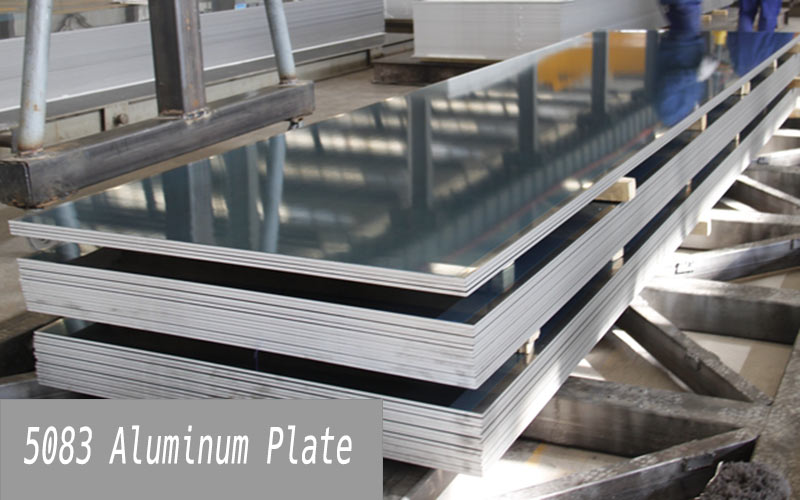
Comparison of Aluminium Alloys 5083, 6082 and 7075
Aluminum is a highly popular material used across various industries, including CNC machining, due to its outstanding mechanical properties. In this article, we will dive into the top 3 aluminum alloys, exploring their key features, advantages, and typical applications.
Features and Properties of Aluminum Alloys
Aluminum is a metallic material that typically has a silver or matte grey appearance, which can vary depending on the surface roughness. The material is favored for several reasons, including its lightweight nature, ductility, and malleability.
Key properties of aluminum alloys include:
Affordability
Softness
Durability
Corrosion resistance
Melting point: 640°C
Density: 2.68 g/cm³
Excellent heat and electrical conductivity
Increased strength at temperatures below zero
Non-magnetic and non-flammable
However, there are a few downsides to aluminum alloys:
Copper might offer better heat and electrical conductivity
Some alloys can lose strength at high temperatures (above 200°C to 250°C)
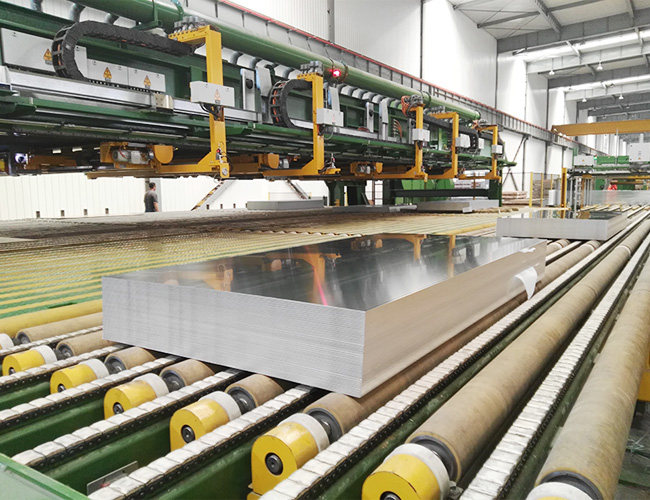
Top 3 Aluminum Alloys
Among the many aluminum alloys available, three stand out for their superior properties and widespread use. These alloys are 7075, 5083, and 6082. Let's explore them in more detail:
1. Aluminum 7075
Aluminum 7075 is known for its excellent fatigue strength and superior corrosion resistance compared to other aluminum alloys. The main alloying element is zinc, which contributes to its impressive strength and other properties.
Properties of 7075:
High strength, comparable to many grades of steel
High fatigue strength
Medium machinability when annealed
Lower weldability (it's not ideal for welding)
Applications of Aluminum 7075:
Due to its strength and precision machining capabilities, 7075 is commonly used in:
Automotive parts
Aerospace components
Medical devices
Bicycle parts
Rock-climbing equipment
Given its high cost, 7075 is generally recommended only when the specific requirements for strength and durability are critical.
Post-machining Treatments for 7075:
Heat treatment
Annealing
Aging
(Note: Anodizing is not applicable after machining.)
2. Aluminum 5083
Aluminum 5083 is known for its exceptional performance in harsh environments, such as exposure to seawater and industrial chemicals. It is especially well-regarded for its weldability, as it retains strength even after welding.
Properties of 5083:
Good formability
Excellent ductility
High corrosion resistance in marine environments
Low density
Excellent thermal conductivity
Excellent weldability
Applications of Aluminum 5083:
Aluminum 5083 is used primarily in industries that require resistance to severe environments, including:
Marine applications like shipbuilding
Rail cars
Vehicle bodies
Mine skips and cages
Pressure vessels
Telecommunication towers
Post-machining Treatments for 5083:
Annealing
Strain hardening
Strain hardening and stabilization
Anodizing
3. Aluminum 6082
Aluminum 6082 is the strongest alloy in the 6xxx series and is often referred to as the "structural" aluminum alloy due to its widespread use in structural components.
Properties of 6082:
Higher strength compared to 5xxx series alloys
Excellent corrosion resistance
Contains a significant amount of manganese, which stabilizes the alloy
Can be difficult to machine thin walls or complex shapes
Applications of Aluminum 6082:
Aluminum 6082 is widely used in:
High-stress applications
Cranes
Transport machinery
Ore skips
Beer barrels
Milk churns
Post-machining Treatments for 6082:
Annealing
Aging
Anodizing
Final Words
The top 3 aluminum alloys-7075, 5083, and 6082-each offer a unique combination of properties that make them ideal for specific applications. Whether you need strength, corrosion resistance, or weldability, these alloys are sure to meet your requirements.
If you are still uncertain about which alloy to choose, we recommend consulting with an expert. Don't hesitate to contact GNEE, a trusted Chinese supplier, for further assistance in selecting the right material for your needs.