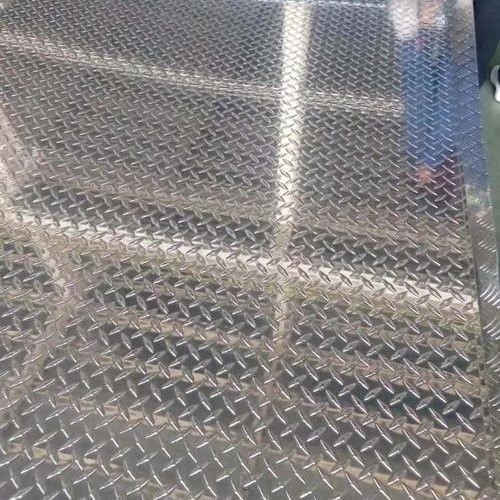
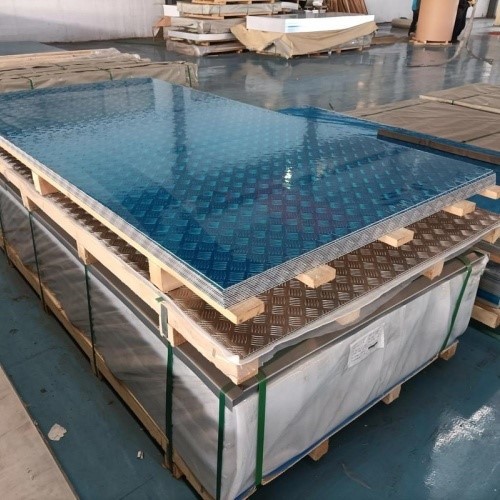
The 1060 aluminum checker plate, also known as 1060 aluminum tread plate or 1060 embossed aluminum sheet, is widely used in flooring, decoration, and industrial settings. To enhance its performance, appearance, and durability, various surface treatment processes are applied. Below are five common customer questions about 1060 aluminum checker plate surface finishing.
1. What surface treatments are most commonly used on 1060 aluminum checker plate?
The 1060 aluminum checker plate often undergoes treatments such as anodizing, mill finish, embossing, and color coating.
Each method improves a different aspect:
Anodizing 1060 aluminum checker plate enhances corrosion resistance and allows for a decorative finish.
A mill-finished 1060 aluminum tread plate retains the natural silver tone of aluminum and is more economical.
Embossed 1060 aluminum plate improves skid resistance and adds a visual texture.
Color-coated 1060 aluminum checker plate is ideal for branding or architectural decoration.
At GNEE, our 1060 aluminum checker plates can be customized with any of these treatments depending on the application.
2. Is anodizing suitable for 1060 aluminum tread plate?
Yes, anodizing is one of the best treatments for 1060 aluminum tread plate because the high-purity aluminum content (99.6%) reacts well with the anodic process. Anodized 1060 aluminum diamond plate offers:
Enhanced weather and wear resistance
Better aesthetics (available in silver, bronze, black, etc.)
Improved paint and adhesive bonding
GNEE's anodized 1060 aluminum checker plate is especially popular for decorative indoor applications, clean rooms, and public facilities.
3. How does color coating affect the performance of 1060 embossed aluminum plate?
Color coating adds a layer of protection to the 1060 embossed aluminum sheet and improves its appearance. This surface finish is done using polyester (PE) or fluorocarbon (PVDF) coatings, depending on environmental requirements.
The color-coated 1060 aluminum tread plate:
Resists UV radiation and corrosion in outdoor environments
Maintains vibrant color for years
Reduces maintenance costs in architectural uses
GNEE's 1060 color-coated aluminum checker plates are widely used in wall cladding, trailers, and RV interiors.
4. What is the difference between mill-finish aluminum plate and embossed 1060 aluminum checker plate?
The mill-finish 1060 aluminum plate is raw, untreated aluminum with a smooth surface, while the embossed version has raised patterns (like 1 bar, 2 bar, 5 bar). The differences include:
Mill-finish 1060 plate: best for indoor, dry, or hidden structural use.
Embossed or patterned 1060 aluminum checker plate: better grip, safety, and aesthetics in visible areas.
GNEE produces mill-finished and embossed 1060 aluminum plates in various thicknesses and widths for diverse industrial and construction projects.
5. Can 1060 aluminum checker plate be customized with anti-slip or reflective finishes?
Yes, anti-slip and reflective surface treatments are possible for 1060 aluminum checker plates, especially those used in transport flooring, walkways, or signage. Some techniques include:
Chemical etching for reflective aluminum finishes
Sand-blasting to increase friction
Anti-slip coating or powder coating for outdoor decks
GNEE offers custom processing to meet client-specific safety, visual, or functional needs. Our custom 1060 aluminum checker plate is used in everything from trailers to cold storage floors.
Conclusion
Choosing the right surface treatment can significantly improve the performance and appearance of 1060 aluminum checker plate products. Whether for safety, aesthetics, or corrosion resistance, GNEE's 1060 aluminum tread plate range offers a tailored solution for every need. From anodizing to color coating, our surface finishes bring out the best in every 1060 aluminum embossed sheet.
Want to discuss your project needs? Contact GNEE for expert guidance on 1060 aluminum checker plate surface treatments.