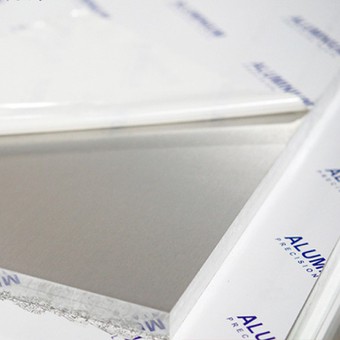
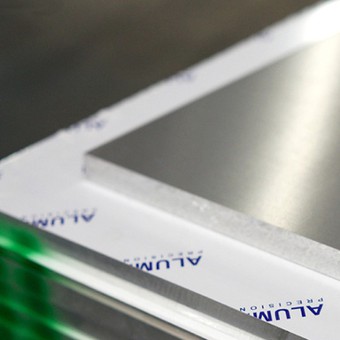
What is 7075 Aluminum Sheet?
7075 aluminum sheet is a high-strength alloy that belongs to the 7xxx series, primarily alloyed with zinc, magnesium, and copper. Renowned as one of the strongest aluminum alloys available, it's often compared to some steels in terms of tensile strength while retaining aluminum's inherent light weight-making it a go-to choice for applications where strength-to-weight ratio is non-negotiable. Unlike softer aluminum grades like 6061, 7075 offers exceptional hardness and durability, though it's important to note its lower corrosion resistance in certain harsh environments (more on that later).
Core Properties That Stand Out
Tensile Strength: With a typical tensile strength ranging from 540 to 580 MPa (78,000 to 84,000 psi) when heat-treated (T6 temper), 7075 outperforms most standard aluminum alloys. This makes it ideal for load-bearing components that need to withstand heavy stress.
Lightweight Advantage: Despite its strength, 7075 aluminum has a density of only 2.81 g/cm³-about one-third the weight of steel. This reduces overall product weight without sacrificing structural integrity, a critical factor in transportation and aerospace industries.
Machinability: When properly heat-treated, 7075 offers good machinability, allowing for precise cutting, drilling, and forming into complex shapes. However, its hardness means using sharp tools and appropriate cutting speeds to achieve clean finishes.
Heat Treatability: The alloy responds well to heat treatment (notably T6 and T73 tempers). T6 temper delivers maximum strength, while T73 offers improved corrosion resistance-balancing strength and longevity for specific use cases.
Common Applications
Thanks to its unique blend of strength and lightness, 7075 aluminum sheet is widely used across industries:
Aerospace & Aviation: Aircraft wings, fuselage components, landing gear parts, and satellite structures-where every pound saved translates to better fuel efficiency and performance.
Automotive: High-performance vehicles, racing cars, and electric vehicle (EV) components (e.g., battery trays, chassis parts) that require strength without adding excess weight.
Marine: Boat hulls, masts, and marine hardware (when properly coated) – though direct exposure to saltwater requires corrosion protection due to 7075's moderate resistance.
Industrial & Engineering: Tooling plates, machine parts, high-stress brackets, and structural components for heavy machinery.
Sports Equipment: Bicycle frames, climbing gear, golf club heads, and ski bindings-where durability and light weight enhance user experience.
Key Considerations for Use
Corrosion Resistance: 7075 is less corrosion-resistant than 6061 or 5052 aluminum. For outdoor, marine, or harsh environments, it's recommended to use protective coatings (anodizing, painting, or chromate conversion) or opt for the T73 temper, which offers better resistance to stress corrosion cracking (SCC).
Weldability: Unlike some aluminum alloys, 7075 is not easily weldable due to its high zinc content, which can lead to cracking during welding. If welding is necessary, consult a professional with experience in high-strength aluminum alloys, or consider alternative joining methods (riveting, bolting).
Formability: While 7075 can be formed, it's stiffer than softer alloys. Cold forming is possible for simple shapes, but complex forms may require heat treatment before forming to avoid cracking.