The Common Pain Points in Aluminum Pipe Selection
When sourcing aluminum pipes, many buyers face the same questions: Should I choose a structural pipe or a decorative one? Is this pipe going to be used in a highly corrosive marine environment or strictly indoors? Do I need it to handle high pressure, or is lightweight the main priority?
Choosing the wrong alloy grade can lead to structural failure, poor surface finish, or wasted budget. To make your sourcing process easier, we break down the exact differences between the two most common grades in the market: 6063 and 5083 aluminum pipes.
If you are in a hurry, just remember this core rule:
- 6063 aluminum pipe = Appearance + Extrusion + Anodizing
- 5083 aluminum pipe = Strength + Marine + Structure
- 6063 Aluminum Pipe: Best for architecture, decoration, and complex extruded profiles.
- 5083 Aluminum Pipe: Best for high-strength requirements, marine environments, and pressure structures.
What is 6063 vs 5083 Aluminum Pipe?
- 6063 Aluminum Pipe: This is an extrusion tube. It is designed to pass through extrusion dies easily, making it perfect for thin walls and complex cross-sections. It offers a premium surface finish.
- 5083 Aluminum Pipe: This is a structural tube, often produced as a seamless pipe. It is built for heavy-duty load-bearing and harsh environments.
6063 vs 5083 Aluminum Chemical Composition Comparison (wt%)
6063 (Mg + Si): Magnesium and Silicon are the main alloying elements. This mix guarantees easy extrusion and excellent response to anodizing.
5083 (High Mg): Contains a high amount of Magnesium (up to 4.9%). This gives the pipe exceptional strength and top-tier resistance to seawater.
| Element | 6063 Aluminum Pipe | 5083 Aluminum Pipe |
|---|---|---|
| Aluminum (Al) | Balance | Balance |
| Magnesium (Mg) | 0.45 – 0.9 | 4.0 – 4.9 |
| Silicon (Si) | 0.2 – 0.6 | ≤ 0.40 |
| Manganese (Mn) | ≤ 0.10 | 0.4 – 1.0 |
| Chromium (Cr) | ≤ 0.10 | 0.05 – 0.25 |
| Copper (Cu) | ≤ 0.10 | ≤ 0.10 |
| Zinc (Zn) | ≤ 0.10 | ≤ 0.25 |
| Titanium (Ti) | ≤ 0.10 | ≤ 0.15 |
| Iron (Fe) | ≤ 0.35 | ≤ 0.40 |

6063 vs 5083 Aluminum Pipe Comparison Table
6063 (Mg + Si): Magnesium and Silicon are the main alloying elements. This mix guarantees easy extrusion and excellent response to anodizing.
5083 (High Mg): Contains a high amount of Magnesium (up to 4.9%). This gives the pipe exceptional strength and top-tier resistance to seawater.
| Feature | 6063 Aluminum Pipe | 5083 Aluminum Pipe |
|---|---|---|
| Alloy Series | 6000 Series (Al-Mg-Si) | 5000 Series (Al-Mg) |
| Primary Use | Architectural / Decorative Pipes | Structural / Marine Pipes |
| Tensile Strength | ~130–230 MPa | ~275–350 MPa |
| Yield Strength | ~55–180 MPa | ~125–240 MPa |
| Corrosion Resistance | Excellent (general environments) | Superior (marine & chemical environments) |
| Seawater Resistance | Good | Excellent (ideal for marine use) |
| Formability | Excellent (easy bending & shaping) | Moderate (higher strength, harder to form) |
| Extrudability | Excellent (complex thin-wall pipes) | Moderate (limited complex shapes) |
| Surface Finish | Excellent (ideal for anodizing) | Fair (not ideal for decorative finish) |
| Weldability | Good | Excellent (retains strength after welding) |
| Strength-to-Weight Ratio | Medium | High |
| Pressure Resistance | Moderate | High |
| Common Tempers | T5, T6 | H116, H321, H32 |
| Cost | Lower | Higher (approx. +10–20%) |
| Typical Applications | Window frames, railings, furniture, decorative tubing | Shipbuilding, offshore piping, pressure vessels, structural tubing |
- Strength: 5083 aluminum pipe wins. Its tensile and yield strength are significantly higher than 6063. If your pipe needs to support heavy loads or handle internal pressure, 5083 is the choice.
- Ductility & Formability: 6063 aluminum pipe performs better. It can be bent and shaped without cracking, which is why it is used in handrails and furniture.
- Conclusion: For pressure holding and load-bearing structure → 5083. For lightweight and shaping → 6063.
6063 vs 5083 aluminum alloy pipe Extrusion & Surface Finish
This is where the two pipes separate completely.
- 6063 Aluminum Pipe: It is the king of extrusion. You can order it in extremely thin walls or complex shapes (like square, rectangular, or custom profiles). The surface is smooth and perfect. When anodized, it accepts colors beautifully.
- 5083 Aluminum Pipe: High magnesium makes this alloy hard. It is difficult to extrude into complex or thin-walled shapes. The surface finish is basic and industrial. It does not anodize well for decorative purposes.
6063 vs 5083 aluminum alloy pipe Corrosion Resistance for Different Environments
- Standard Environments: Both pipes resist rust and oxidation very well in normal outdoor or indoor conditions.
- Marine & Chemical Environments: 5083 aluminum pipe is called "marine-grade aluminum." If your pipe is touching seawater or exposed to harsh industrial chemicals, 5083 will not fail.
6063 vs 5083 aluminum alloy pipe Weldability & Fabrication
- 5083 Aluminum Pipe: Excellent for welding. More importantly, it retains almost all of its strength after welding, which is critical for structural frames and pressure vessels.
- 6063 Aluminum Pipe: Easy to cut, drill, and machine. It can be welded, but the heat from welding will reduce its strength in the weld zone.
Applications of Aluminum Pipe: Where to Use What?
Structural Pipes:
Shipbuilding piping systems → 5083
Pressure vessels and gas lines → 5083
Heavy-duty transport vehicle frames → 5083
Architectural & Decorative Pipes:
Window and door frames → 6063
Staircase handrails and fences → 6063
Furniture tubing → 6063
Industrial Pipes:
Heat sinks and irrigation pipes → 6063
Offshore drilling platforms → 5083

How to Choose the Right Aluminum Pipe
Use this quick checklist to finalize your procurement:
- If you need a perfect surface for anodizing → Choose 6063.
- If the pipe must handle heavy loads or internal pressure → Choose 5083.
- If the pipe will be installed on a boat or near the ocean → Choose 5083.
- If you need custom shapes, thin walls, or complex cross-sections → Choose 6063.
Our Aluminum Pipe Products at GNEE
At GNEE, we supply both grades tailored to your specific project needs:
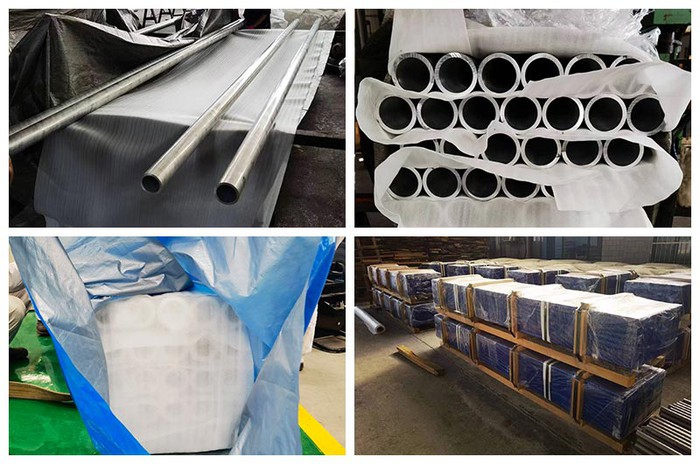
- GNEE 6063 Aluminum Pipes: Available in round, square, and custom extruded profiles. Perfect for architectural projects.
- GNEE 5083 Aluminum Pipes: Heavy-wall seamless pipes available for marine and pressure applications.
- Capabilities: Custom sizes, fast cutting, bulk inventory, and rich export experience worldwide.
Why Choose GNEE?
- We do not just sell metal; we solve supply chain problems.
- Marine & Industrial Experience: We know exactly what certifications marine projects require.
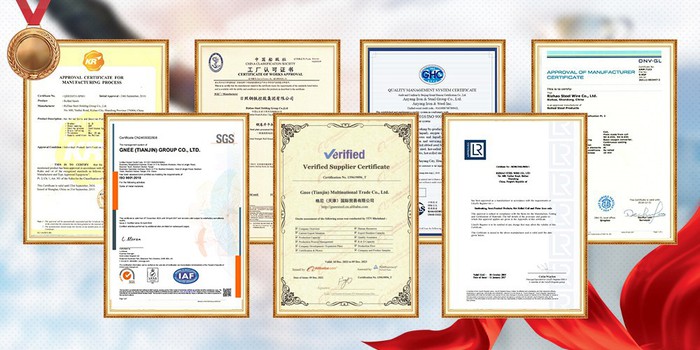
- Quality Assured: ISO certified, strictly adhering to ASTM and EN standards.
- Stable Delivery: Large stock volume ensures your project stays on schedule.