

3003-H14 and 5052-H32 are both aluminum alloy grades, each with distinct differences in chemical composition, mechanical properties, and corrosion resistance.
The 3003-H14 aluminum alloy offers good strength and rigidity, along with excellent corrosion and weather resistance, making it suitable for a variety of harsh environments. Its surface can be coated to effectively protect the metal from external elements. Additionally, 3003-H14 is relatively cost-effective, making it an ideal choice for budget-sensitive applications.
On the other hand, 5052-H32 aluminum also provides good strength and stiffness, but its tensile strength is slightly lower compared to 3003-H14. However, 5052-H32 is typically more expensive due to its higher quality profile, making it suitable for applications where performance and reliability are critical.
Chemical Composition: 3003-H14 vs 5052-H32
3003-H14: Primarily composed of aluminum, manganese, and a small amount of magnesium. Aluminum content typically exceeds 99.8%.
5052-H32: Mainly consists of aluminum, magnesium, and small amounts of silicon and other elements. Aluminum content is around 99.6%.
Mechanical Properties: 5052-H32 vs 3003-H14
3003-H14: Exhibits good strength and rigidity, with high tensile strength capable of withstanding substantial loads and pressure.
5052-H32: Also offers good strength and stiffness, though its tensile strength is slightly lower than that of 3003-H14.
Corrosion Resistance: 3003-H14 vs 5052-H32
3003-H14: Known for excellent corrosion resistance, suitable for environments with high humidity or exposure to corrosive substances. Its surface finish enhances durability against environmental damage.
5052-H32: While it does offer a degree of corrosion resistance, it is generally considered less corrosion-resistant compared to 3003-H14.
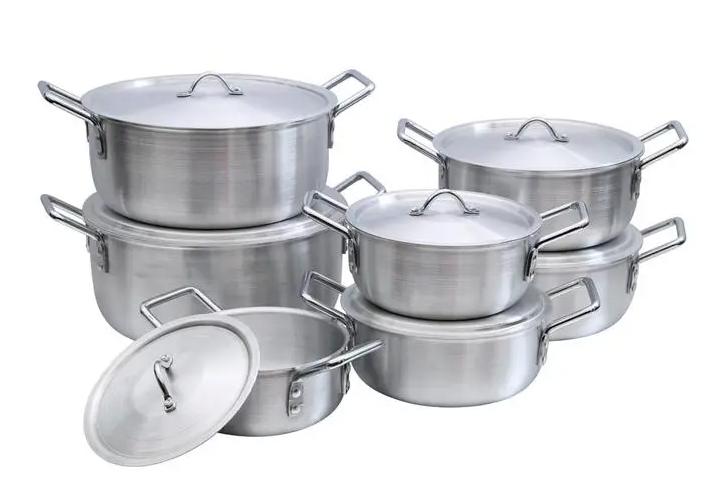
3003 h14 aluminum sheet is commonly used for the following applications due to its high corrosion resistance:
Heat exchangers
Roofing and Siding
Cabinet
Oil tank
Low-load components operating in liquid or gaseous medium
Truck, Trailer, and Transportation Parts
Because 5052 aluminum has strong corrosion resistance to seawater, it is commonly used in food processing equipment, truck trailers, and marine and aquatic structures. Every year, the global demand for 5052 h32 aluminum sheet in the production of cans increases.

Conclusion
In summary, 3003-H14 and 5052-H32 aluminum alloys differ in their chemical makeup, strength, and corrosion resistance. The choice between the two depends on your specific application and environmental requirements. If you need higher strength and cost efficiency, 3003-H14 is the better option. For applications demanding higher quality and enhanced performance-and where cost is not a major concern-5052-H32 is the preferred choice.
GNEE, a Chinese supplier, offers both 3003-H14 and 5052-H32 aluminum products in various specifications, customized according to your needs.