

1100-Aluminum-alloy-sheet-vs-5052-vs-3003.pdf
Choosing the right aluminum alloy depends on understanding the strengths and limitations of each grade. 1100, 5052, and 3003 aluminum alloys each have distinct compositions, mechanical properties, and application advantages. All three are non-heat-treatable, lightweight, and corrosion-resistant, but they differ in strength, formability, and best-use scenarios. Whether you are designing chemical processing equipment, marine components, or automotive parts, selecting the right alloy ensures optimal performance and cost efficiency.
Aluminum 1100 - Overview
Aluminum 1100 is a commercially pure aluminum grade (minimum 99.0% aluminum) recognized for its exceptional corrosion resistance, high formability, and excellent thermal and electrical conductivity. It is soft, ductile, and ideal for applications where formability is more critical than strength.
Key Properties of Aluminum 1100
Composition: 99% pure aluminum with trace amounts of iron and silicon
Corrosion Resistance: Excellent in most environments
Tensile Strength: 110–145 MPa (H14 temper)
Yield Strength: 95 MPa
Elongation: Up to 30% (annealed)
Workability: Excellent for cold working; not heat-treatable
Common Applications: Chemical tanks, heat exchangers, food packaging, and architectural panels
Aluminum 5052 - Overview
Aluminum 5052 belongs to the 5xxx series and is alloyed primarily with magnesium (2.2%–2.8%) and chromium (0.15%–0.35%). It provides a superior balance of strength, corrosion resistance, and formability, especially in harsh environments.
Key Properties of Aluminum 5052
Composition: Al–Mg alloy with added chromium
Corrosion Resistance: Excellent, particularly in saltwater and chemical conditions
Tensile Strength: 31,000–44,000 psi
Yield Strength: 28,000 psi
Fatigue Resistance: High
Formability: Good, though slightly less than 1100 due to higher strength
Common Applications: Marine vessels, automotive parts, pressure vessels, and fuel tanks
Aluminum 3003 - Overview
Aluminum 3003 is an aluminum-manganese alloy known for its moderate strength, superb formability, and excellent resistance to corrosion. It bridges the gap between the softness of 1100 and the strength of 5052, making it ideal for general-purpose applications.
Key Properties of Aluminum 3003
Composition: 1.0%–1.5% manganese, minor copper and iron
Tensile Strength: ~21,000 psi
Yield Strength: ~10,000 psi
Workability: Excellent for bending, rolling, and welding
Corrosion Resistance: Excellent, particularly against moisture and mild chemicals
Common Applications: Roofing, siding, storage tanks, cooking utensils, and HVAC equipment

Alloy Comparisons
1100 vs. 5052 Aluminum
| Property | 1100 Aluminum | 5052 Aluminum |
|---|---|---|
| Purity | 99% pure aluminum | Magnesium alloy with chromium |
| Strength | Low, soft | High, strong |
| Corrosion Resistance | Excellent | Superior, especially in saltwater |
| Formability | Outstanding | Good (less ductile) |
| Weldability | Excellent | Excellent (better post-weld strength) |
| Applications | Chemical, electrical, and decorative uses | Marine, automotive, and industrial uses |
Key Differences:
Composition: 1100 is nearly pure aluminum; 5052 contains magnesium and chromium for added strength and marine-grade corrosion resistance.
Strength: 5052 is much stronger and suitable for high-stress environments, while 1100 is best for lightweight, formable parts.
Formability: 1100 outperforms in deep drawing and spinning processes.
Applications: 1100 for chemical and decorative use; 5052 for marine and structural components.
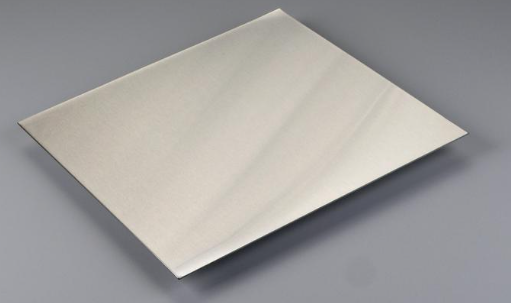
1100 vs. 3003 Aluminum
| Property | 1100 Aluminum | 3003 Aluminum |
|---|---|---|
| Purity | 99% pure aluminum | Al–Mn alloy (1.0–1.5% Mn) |
| Strength | Low | ~20% stronger than 1100 |
| Corrosion Resistance | Excellent | Slightly better in harsher environments |
| Formability | Outstanding | Excellent, but slightly less ductile |
| Weldability | Excellent | Excellent, stronger welds |
| Applications | Chemical, electrical, decorative | Roofing, automotive, HVAC |
Key Differences:
Composition: 3003 gains strength from manganese without sacrificing corrosion resistance.
Strength: 3003 is about 20% stronger than 1100, ideal for light-duty structural parts.
Weldability: Both weld easily, but 3003 retains slightly higher weld strength.
Applications: 1100 suits chemical and electrical products; 3003 fit construction and automotive uses.
3003 vs. 5052 Aluminum
| Property | 3003 Aluminum | 5052 Aluminum |
|---|---|---|
| Purity | ~97% Al (Mn & Cu alloying) | ~96% Al (Mg as main alloying element) |
| Strength | 20,000–30,000 psi | 33,000–38,000 psi |
| Corrosion Resistance | Excellent | Superior (marine-grade) |
| Formability | High, very malleable | Good, slightly less malleable |
| Weldability | Excellent | Excellent, stronger welds |
| Applications | Roofing, HVAC, utensils | Marine, automotive, fuel tanks |
Key Differences:
Composition: 3003 contains manganese and copper; 5052 contains magnesium, giving it superior saltwater resistance.
Strength: 5052 is significantly stronger.
Formability: 3003 is easier to shape and ideal for deep drawing.
Applications: 3003 for light-duty forming; 5052 for demanding structural or marine use.
Bending Comparison (3003 vs. 5052)
Ease of Bending: 3003 bends more easily due to its softer composition.
Strength After Bending: 5052 retains more post-bend strength.
Application Suitability:
3003 → best for decorative panels and lightweight parts.
5052 → ideal for marine, military, and high-strength structures.
Aluminum Alloy Prices (Indicative)
| Alloy | Price Range (USD/kg) | Notes |
|---|---|---|
| 1100 | $2.70–$3.10 | Based on sheet pricing (Lichenalu) |
| 1100 (bars/bulk) | $2.00–$2.50 | Alibaba listings |
| 5052 | $2.20–$3.50 | Sheets and coils (Alibaba) |
| 3003 | - | Varies by supplier and cut size |
Note: Prices fluctuate depending on supplier, quantity, and market trends.
Which Alloy Should You Choose?
Choose 1100 Aluminum if you need:
Maximum corrosion resistance for chemical or food equipment.
Excellent ductility for deep drawing or spinning.
Lightweight parts where strength is not critical.
Choose 5052 Aluminum if you need:
High strength and toughness.
Superior corrosion resistance in marine or industrial settings.
Durability under stress or vibration.
Choose 3003 Aluminum if you need:
Moderate strength with superior workability.
Good corrosion resistance for general-purpose use.
Versatility in roofing, HVAC, and packaging applications.
FAQs
Is Aluminum 1100 easy to form and weld?
Yes. It's highly ductile and perfect for deep drawing and spinning.
How strong is Aluminum 1100?
It has a tensile strength of 90–150 MPa-one of the softest aluminum alloys.
Is 3003 aluminum easy to fabricate?
Absolutely. It's excellent for bending, rolling, and welding, making it a top choice for sheet metal work.
Can 5052 aluminum be anodized?
Yes. It anodizes well and provides a durable, corrosion-resistant finish, though the color may be less bright than pure aluminum.
Is 5052 good for welding and forming?
Yes. It welds easily and offers good formability, though it is slightly harder to bend than 1100 or 3003 due to its strength.