

Hey there! I'm an aluminum round piping supplier, and today I wanna chat about how to check the quality of aluminum round piping. It's super important, whether you're a DIY enthusiast or a professional in the construction or manufacturing industry. Getting high - quality pipes can save you a lot of headaches down the road.
1. Visual Inspection
The first step in checking the quality of aluminum round piping is a simple visual inspection. Start by looking at the surface of the pipe. It should be smooth and free of any visible cracks, scratches, or dents. Cracks can seriously weaken the pipe and make it prone to failure under pressure. Scratches, on the other hand, might not seem like a big deal at first, but they can be starting points for corrosion.
Check the color of the pipe as well. A uniform color indicates a consistent manufacturing process. If you see any discoloration, it could be a sign of improper heat treatment or contamination during production.
Another thing to look at is the straightness of the pipe. You can place the pipe on a flat surface and see if it lies evenly. A bent or warped pipe won't work well in most applications, especially if it needs to fit into a specific system or structure.
2. Dimension Checks
Accurate dimensions are crucial for aluminum round piping. You'll need a good set of measuring tools, like calipers and a ruler. Measure the outer diameter (OD) and inner diameter (ID) of the pipe at multiple points along its length. The measurements should be within the specified tolerance range. For example, if the product specification says the OD should be 50mm with a tolerance of ±0.1mm, any measurement outside this range means the pipe might not be up to standard.
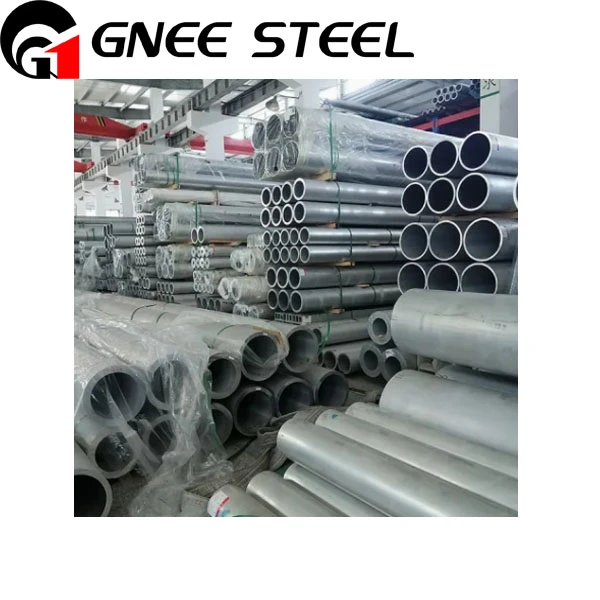

The wall thickness is also an important dimension. A consistent wall thickness ensures uniform strength throughout the pipe. You can calculate the wall thickness by subtracting the ID from the OD and dividing by 2. Variations in wall thickness can lead to uneven stress distribution and potential failure.
Length is another dimension to check. Make sure the pipe is the correct length as ordered. Short or long pipes can cause issues during installation.
3. Material Composition Analysis
Knowing the material composition of the aluminum round piping is essential. Different aluminum alloys have different properties, such as strength, corrosion resistance, and weldability. You can use a variety of methods to analyze the material composition.
One common method is a spectrochemical analysis. This technique uses a spectrometer to determine the elemental composition of the aluminum. It can quickly identify the presence and quantity of different elements in the alloy, like copper, magnesium, and silicon. Make sure the alloy composition matches the specification provided by the manufacturer. For example, if you ordered a 6063 - alloy pipe, the analysis should show the characteristic elements of this alloy in the correct proportions.
Another way is to perform a hardness test. Different aluminum alloys have different hardness levels. You can use a hardness tester, such as a Brinell or Rockwell tester, to measure the hardness of the pipe. A hardness value that is too high or too low could indicate an incorrect alloy or improper heat treatment.
4. Mechanical Property Testing
Mechanical properties like strength and ductility are important for aluminum round piping. Tensile testing is a common way to evaluate the strength of the pipe. In a tensile test, a sample of the pipe is pulled until it breaks, and the maximum load it can withstand is measured. This gives you an idea of the pipe's ultimate tensile strength.
Ductility can be assessed by looking at the amount of deformation the pipe can undergo before breaking. A ductile pipe can bend or stretch to a certain extent without fracturing, which is useful in applications where the pipe might be subjected to some movement or stress.
You can also perform a pressure test on the pipe. This involves sealing one end of the pipe and applying pressure to the inside. The pipe should be able to withstand the specified pressure without leaking or bursting. Pressure testing is especially important for pipes used in fluid - carrying applications, like plumbing or hydraulic systems.
5. Corrosion Resistance Evaluation
Aluminum is known for its good corrosion resistance, but not all aluminum round pipes are created equal. You can evaluate the corrosion resistance of the pipe by performing a salt spray test. In this test, the pipe is exposed to a salt - water mist in a controlled environment for a certain period of time. After the test, you can check for signs of corrosion, such as rust or pitting.
The surface finish of the pipe also affects its corrosion resistance. A smooth and properly coated surface can provide better protection against corrosion. Some pipes are anodized or coated with a protective layer. Check the quality of the coating. It should be evenly applied and free of any defects, like bubbles or cracks.
6. Certification and Documentation
When you're buying aluminum round piping, always ask for certification and documentation. A reputable manufacturer will provide a certificate of conformance that shows the pipe meets the relevant industry standards. This certificate should include information about the material composition, mechanical properties, and dimensional accuracy.
Look for standards like ASTM (American Society for Testing and Materials) or ISO (International Organization for Standardization). These standards ensure that the pipe has been tested and meets a certain level of quality.
In addition to the certificate of conformance, you should also get a material safety data sheet (MSDS). The MSDS provides information about the potential hazards of the aluminum alloy and how to handle it safely.
7. Supplier Reputation
The reputation of the supplier is a big factor in the quality of the aluminum round piping. Do some research on the supplier. You can check online reviews, ask for references, or look at their track record in the industry. A supplier with a good reputation is more likely to provide high - quality products and excellent customer service.
A reliable supplier will also be transparent about their manufacturing process and quality control measures. They should be able to answer your questions about the pipes and provide technical support if needed.
Some Great Aluminum Round Piping Options
If you're in the market for high - quality aluminum round piping, I'd like to recommend some great products from our range. You can check out our Shelf Round Aluminum Tube, which comes in different alloys like 5052, 6061, 6063, and 7075. These alloys offer a variety of properties to suit different applications.
Another option is our Aluminium Industry Extrusion Profile For Round Tube/Square Tube/Aluminum Pipe. This product is great for industrial applications and has a high - quality extrusion profile.
We also have 6063 Industrial Round Aluminum Pipe Factory Price. The 6063 alloy is known for its excellent corrosion resistance and good workability, and you can get it at a factory - direct price.
Let's Connect!
If you're interested in our aluminum round piping or have any questions about quality checking or product selection, don't hesitate to reach out. We're here to help you find the best solution for your needs. Whether you're working on a small DIY project or a large - scale industrial application, we have the right pipes for you.
References
- "Aluminum Alloys: A Technical Guide" by ASM International
- ASTM standards for aluminum piping
- ISO standards related to aluminum products